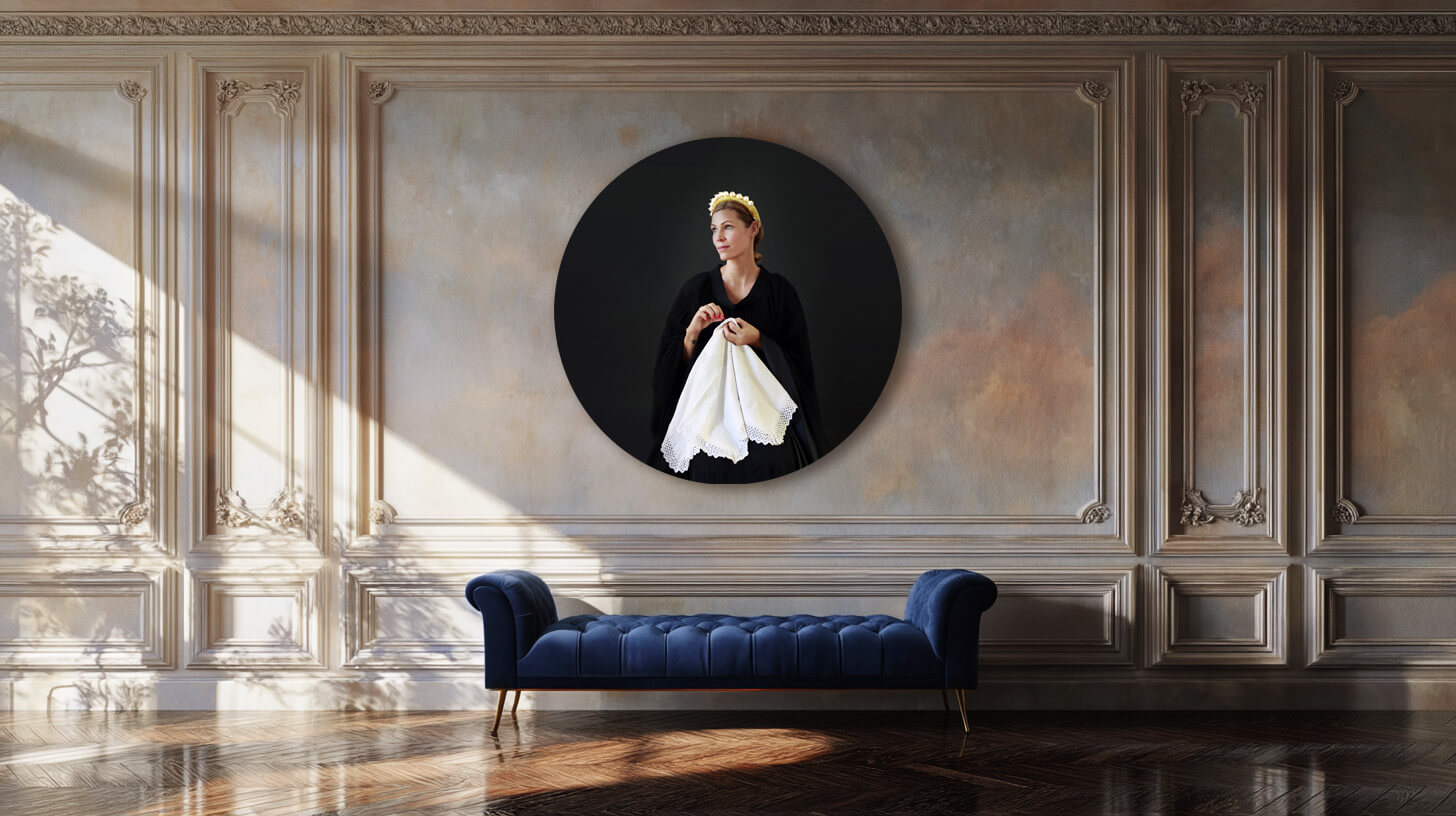


Imagine an acquisition committee standing between you and an empty wall.
A curator asks about the artist’s practice. A registrar asks for documentation. Someone asks whether the work will hold its value.
All useful questions. Yet none quite answers the question that brought you here: why does this particular image keep returning to your mind?
To start collecting art, you do not need a vast budget, a finished home or permission from the art world. You need to take that first response seriously—and learn how to examine it.
Perhaps it is a colour, a face, a landscape or a gesture. Perhaps a room is already beautiful, yet an artwork introduces something you had not realised was missing.
Collecting begins with attention. Over time, a personal collection can become a record of what you choose to live with, what you wish to remember and how your way of seeing develops.
You need knowledge, not permission
Many people postpone their first acquisition because they believe they must understand the entire art market before entering it.
The more useful requirement is specific: know enough to make a considered decision.
Look patiently. Learn about the work. Give your response time to become clear.
The vocabulary surrounding art can make this seem unnecessarily difficult: fairs, galleries, auctions, editions, provenance, certificates, framing, shipping and insurance. These matters deserve attention, but they need not overwhelm the encounter with the work.
People have long lived with images and objects that hold memory: portraits, books, textiles, icons and inherited possessions. Collecting extends that relationship through deliberate choice.
Before asking whether a work will impress someone else, ask:
What changes in my attention when I look at it?
Give the artwork a voice in the room
A room provides a setting for an artwork. It should not determine every term of its admission.
Scale, colour and placement matter. A print encountered each morning in a bedroom has a different presence from a portrait in a library or a small work beside a writing desk.
But compatibility with an interior is only one consideration. Ask what the work contributes beyond fitting:
- Will it continue to interest me when the prevailing style changes?
- Do I want to encounter it in the morning?
- Does it hold a quality of beauty, strength, vulnerability, memory or courage that matters to me?
- Does its presence make the room feel more distinctly my own?
These questions connect an acquisition to the life around it.
Learn your own visual language
Before buying, look with sustained attention.
Save the works that interrupt your usual preferences. Visit galleries when you have time to stay. Notice what recurs in your choices: portraiture, forests, dark grounds, gold, stillness, movement, hands or circular forms. Perhaps you return to figures that hold tenderness and authority together, or images that suggest shelter and transition.
Those repetitions are useful. They reveal the beginnings of a visual language.
Taste develops through looking, comparison and reconsideration. You do not need to arrive with it fully formed.
A collection’s intelligence lies in the quality of its choices. Size alone tells us very little.
Begin with one considered work
Your first acquisition need not be expensive. It should reward serious attention.
Look for intention, care in the materials and a discernible point of view. Consider how the work relates to the artist’s wider practice. What makes it particular? Why this image, this surface, this form?
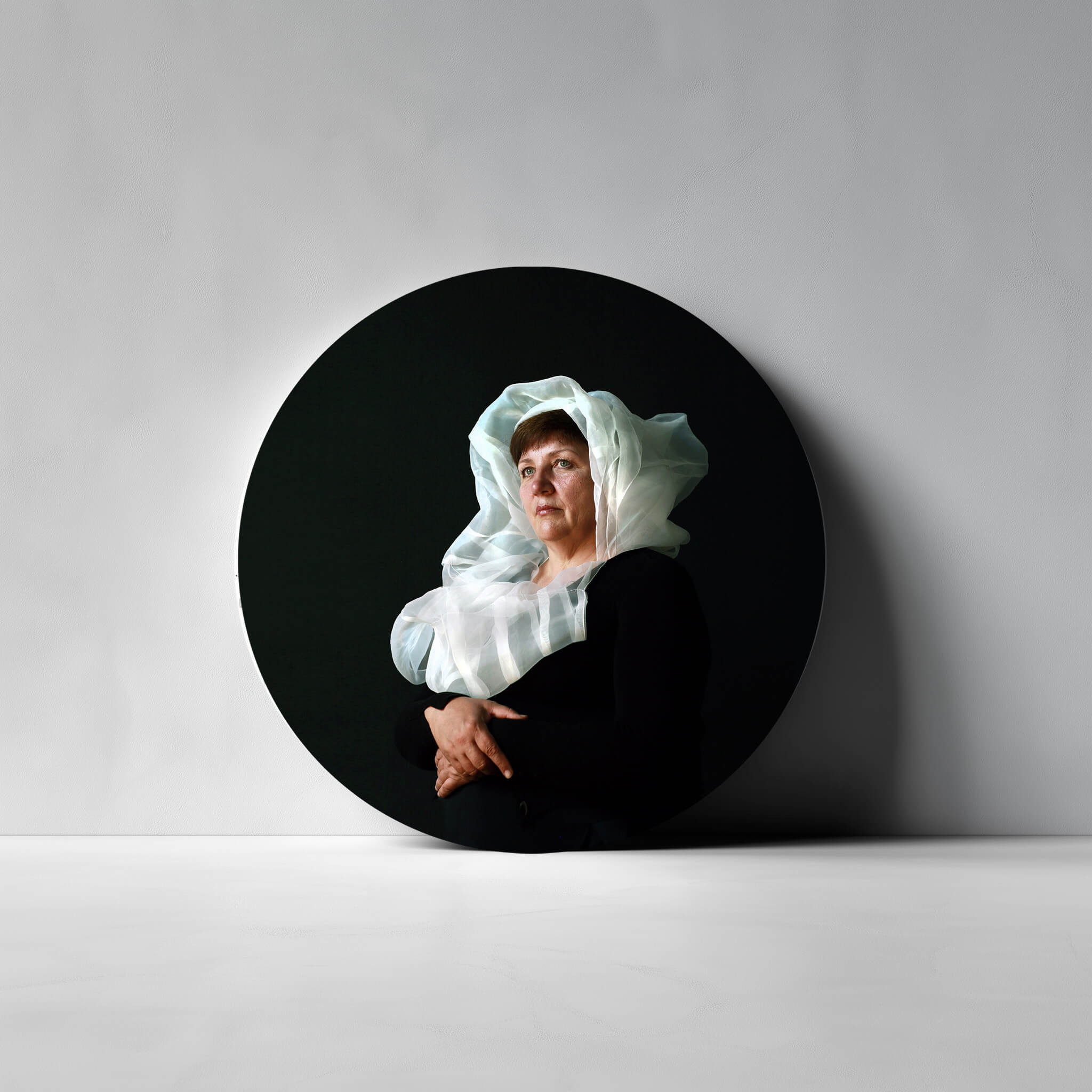
A fine art limited edition can provide an accessible introduction to a body of work. Its interest rests in the work itself, its production and its relationship to the series from which it comes.
One print, placed thoughtfully and encountered daily, is a sufficient beginning.
Understand the edition
“Print” describes a broad range of objects. A poster, an open edition, a signed limited edition and a hand-finished work offer different forms of authorship, production and availability. A label such as “museum-grade” needs supporting material information.
Before acquiring a print, establish:
- Is it a limited or open edition?
- How many works make up the edition?
- Is it signed or accompanied by a certificate?
- What paper or other material is used?
- What information supports its archival quality?
- Does it belong to a larger series?
- How does that series relate to the artist’s continuing practice?
A well-made edition can hold a substantial place in a collection. Its significance may emerge through its subject, atmosphere, material qualities and relationship to the artist’s wider work.
Ask questions that improve the decision
An initial response brings you to a work. Questions help you decide whether to acquire it.
- What first drew me to it?
- Where would I encounter it?
- How much of my interest comes from fashion or external approval?
- What informs the artist’s practice?
- Is the work part of a series?
- Which materials and processes were used?
- Is a certificate of authenticity provided?
- What are the arrangements for shipping, framing and care?
- Is the price clearly stated?
- What does the work ask of its proposed setting?
Provenance—the documented history of a work’s ownership and whereabouts—deserves particular attention when an artwork has passed through galleries, collections, auctions or estates.
Documentation matters at smaller scales too. Retain the invoice, certificate, edition information and any relevant notes from the artist.
An artwork enters a collection with a history. Your records help preserve the next part of it.
Let financial considerations remain one part of the decision
Financial value may form part of an acquisition. It should not be asked to supply every reason for making it.
Consider whether the work belongs to a sustained artistic practice, whether its materials have been handled with care and whether it continues to hold your attention.
Then ask a more private question:
Would this work still matter to me if nobody else saw it?
That question removes an audience from the decision. It leaves you with the relationship you will actually live with.
A coherent private collection reveals a way of seeing. Its choices need not be autobiographical to disclose the judgement of the person behind them.
Find the thread
A collection benefits from a thread without requiring a rigid theme.
Yours might be portraiture, women and archetypes, forests and atmosphere, works on paper or artworks by women. It might be a particular treatment of space, a restrained beauty or works associated with moments of personal change.
You may recognise the connection only after the third or fourth acquisition.
Pay attention when it appears. A collection begins to develop its own character through the relationships between works, as well as the strength of each individual piece.
Those relationships can reveal preferences you had not yet put into words.
Allow familiarity to deepen the encounter
A work changes in your experience after it enters your home.
Initially, you may concentrate on the subject. Later, you notice the surrounding space, a colour relationship or a detail that seemed incidental. Winter light alters the encounter. Another person’s response directs your attention elsewhere. Gradually, the work becomes part of the room’s memory.
This is why I value slow collecting: allowing enough time for judgement to develop beyond the first attraction.
You can love a work without acquiring it. The decision is which encounters you want to continue.
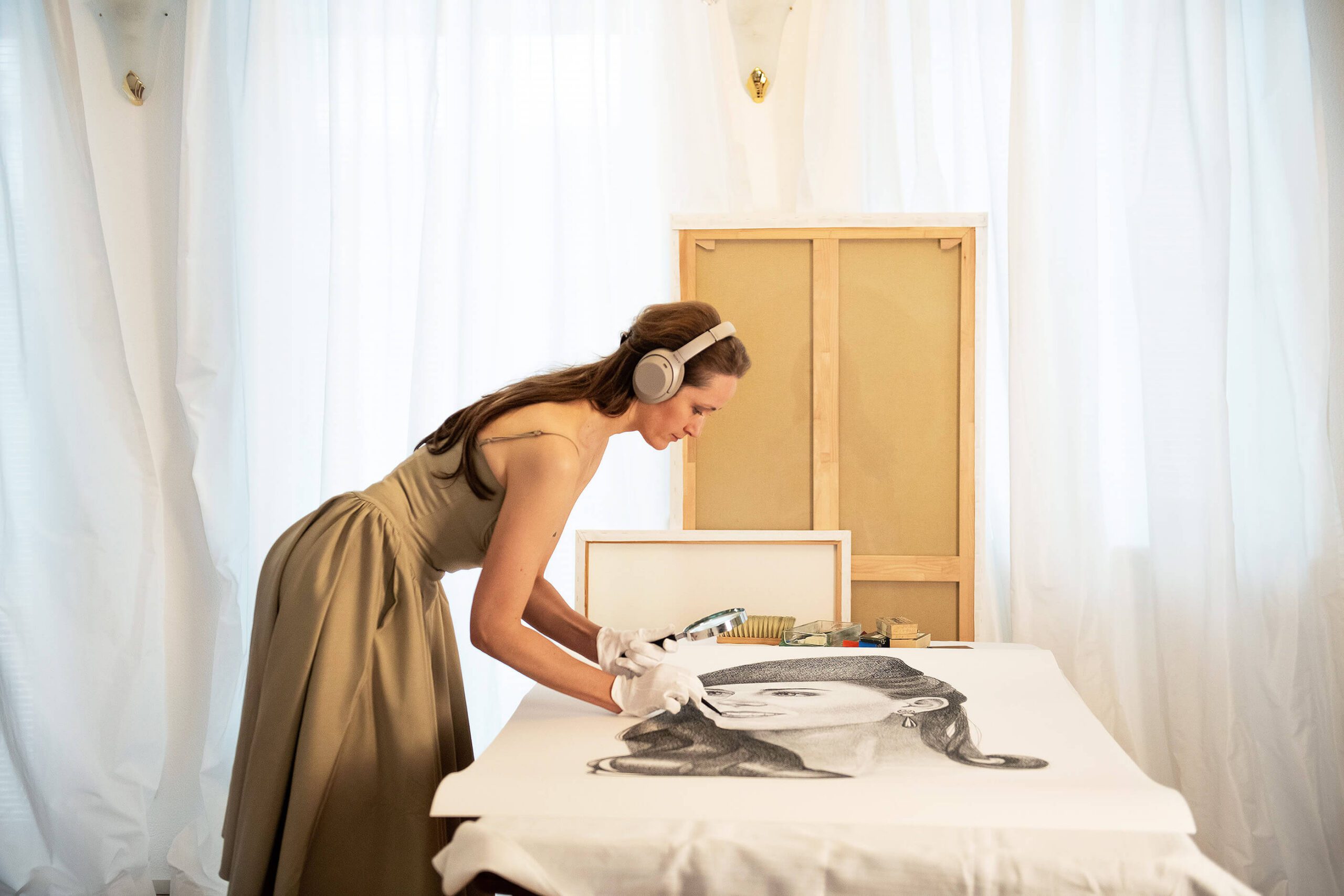
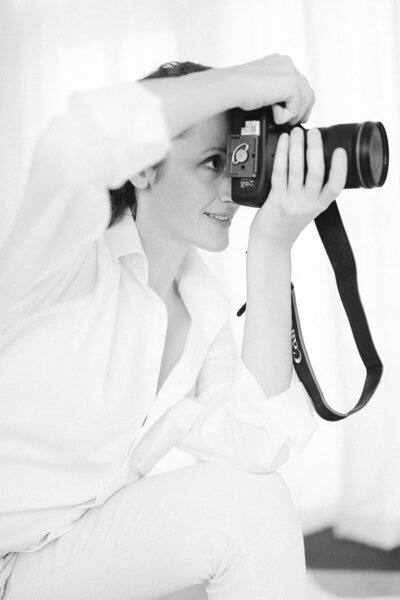
A beginning in my studio
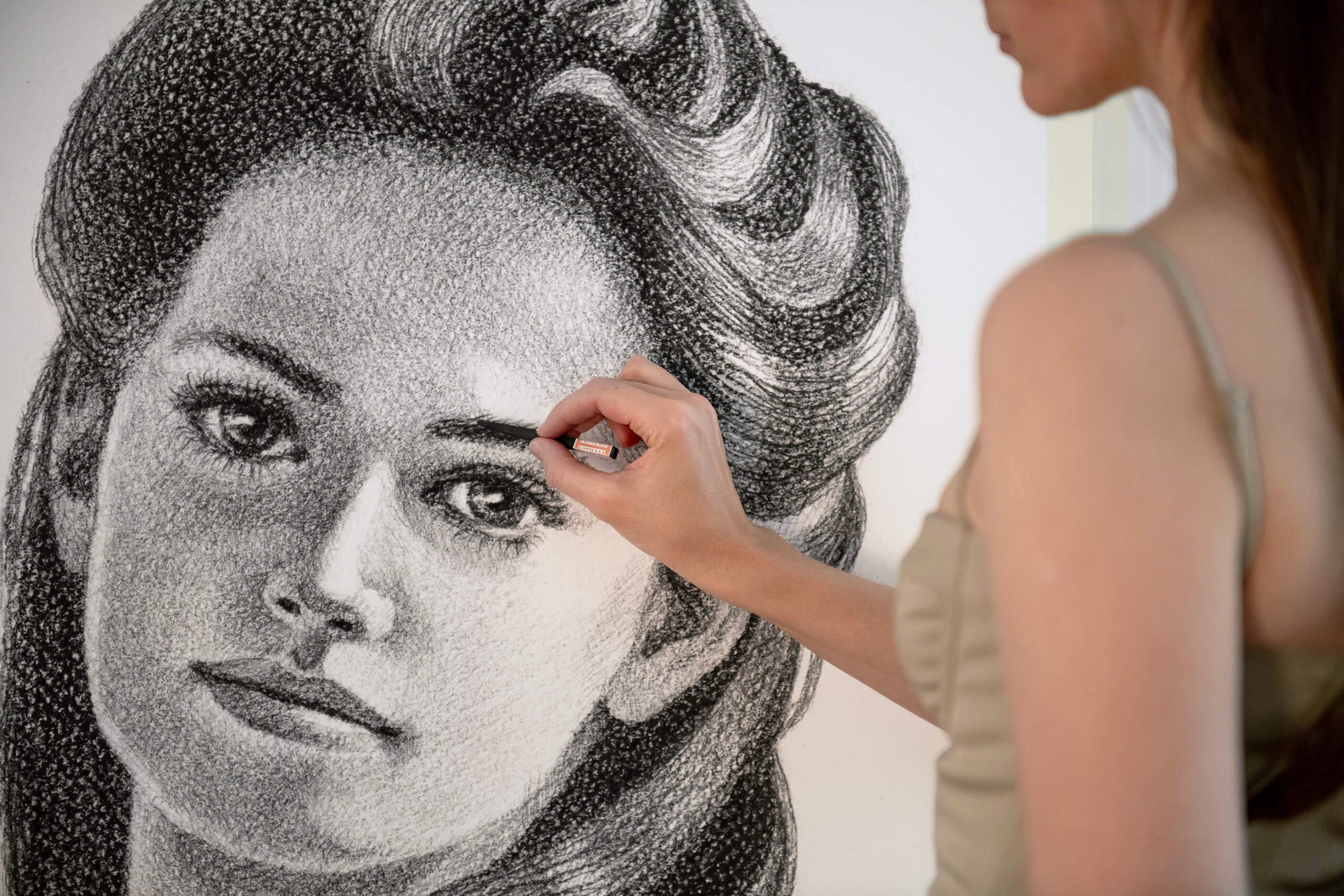
In my own practice, I make works with an interest in how images become part of lived experience.
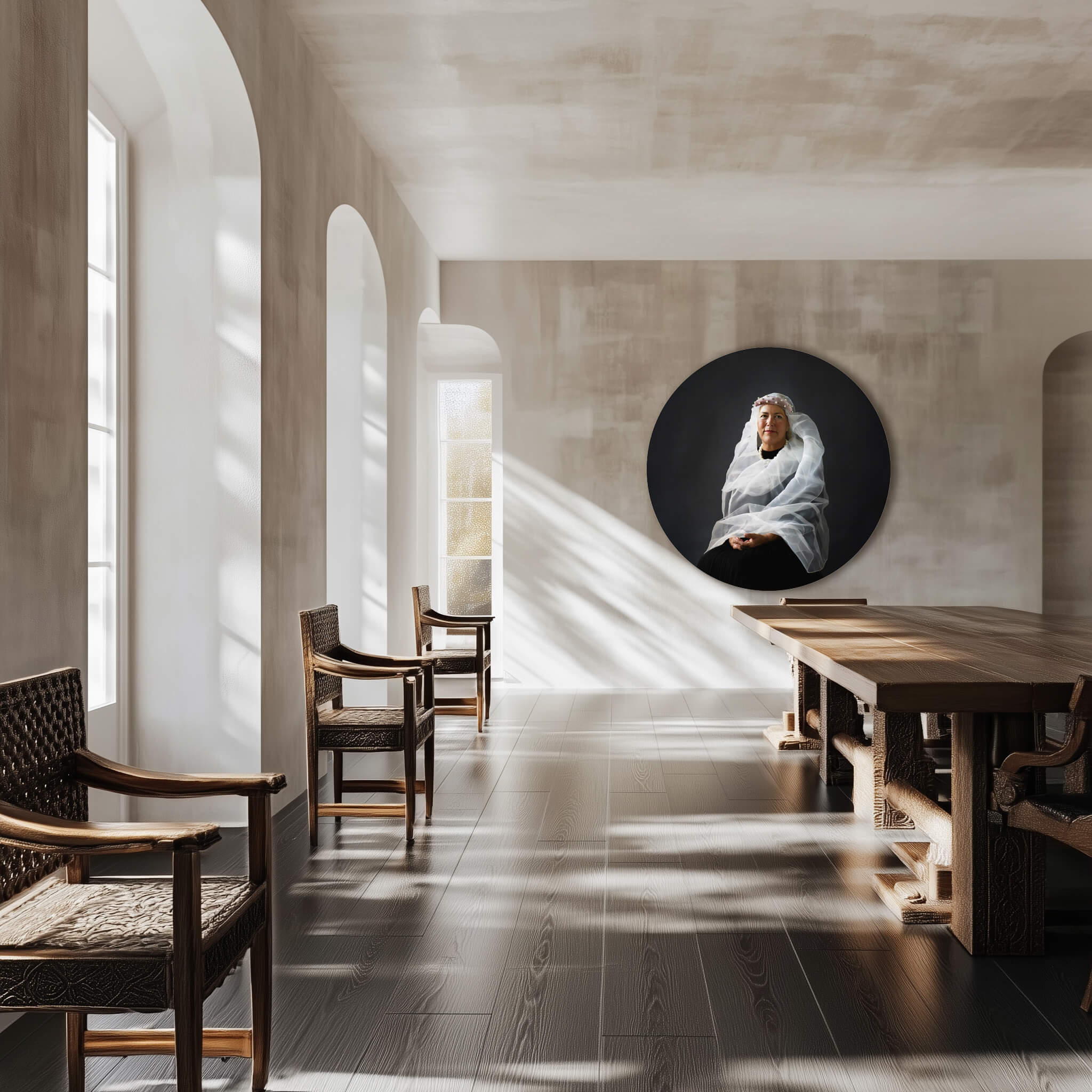
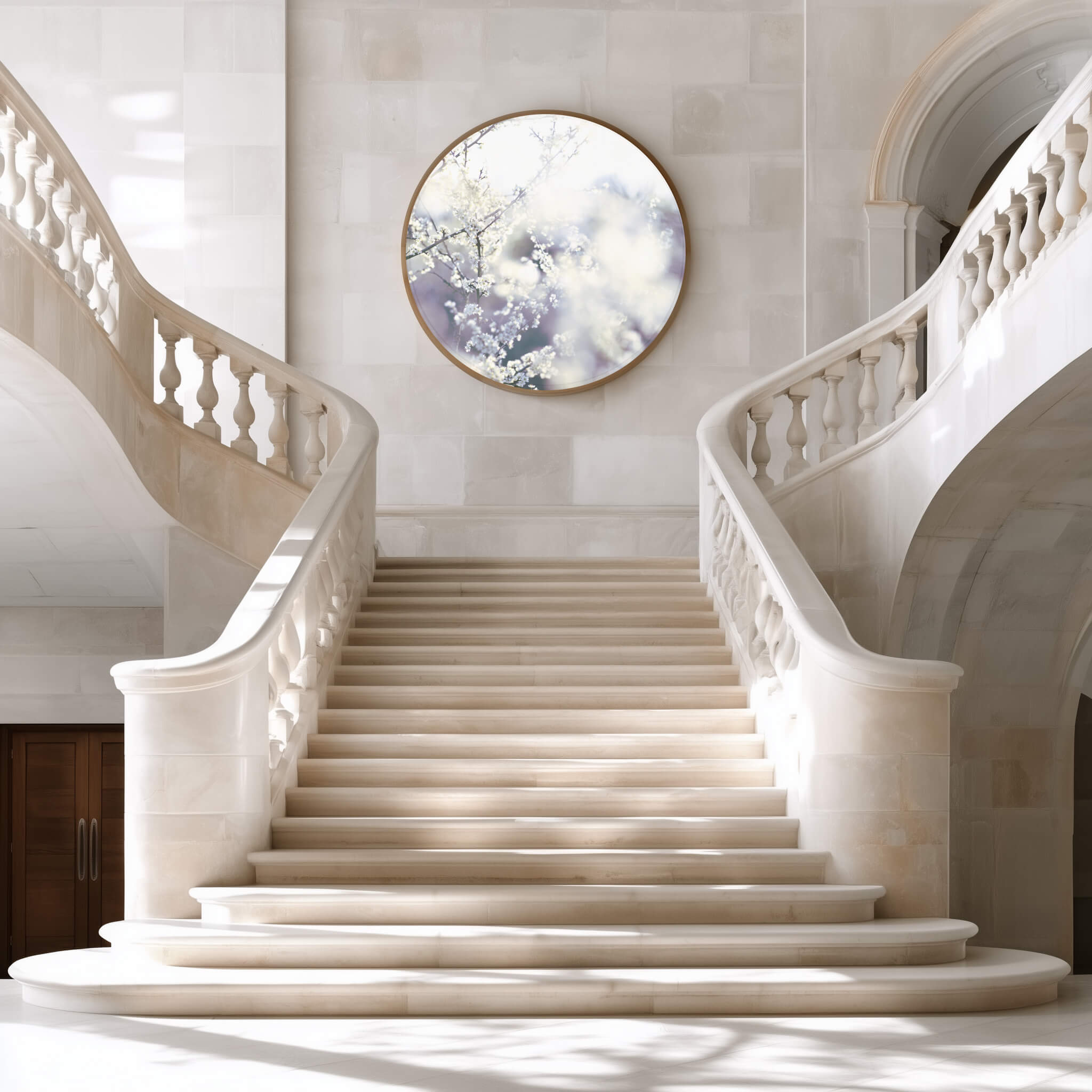
Archetype Archives explores contemporary portraiture and recurring inner figures. Forest Frequencies approaches nature through atmosphere, perception and resonance. Portrait Letter Club, planned for January 2027, will offer a smaller recurring encounter through a letter and collectible print.
Each provides a different entry into the work.
For a new collector, that entry should be clear. You should understand what you are acquiring, how it has been made and what its edition means. You should also have room to ask questions without pressure.
Begin with the work that stays in your thoughts. Return to it, examine its particulars and consider where it would live.
Start with one work
Choose one work you want to encounter repeatedly.
Give it a place. Notice what familiarity reveals. Let that experience inform the next decision.
The imagined acquisition committee at the beginning had useful questions. Now you have questions of your own.
Your collection begins when you can bring both kinds of attention to the same work.
Explore the works
Discover available works from Archetype Archives and Forest Frequencies, with information on materials, dimensions and editions.
If a particular work holds your attention, contact my studio to discuss its availability and presentation.
For new essays, works in development and news of available editions, subscribe to my studio correspondence.
Imagine an acquisition committee standing between you and an empty wall. Its questions matter—but so does your own response. A guide to beginning a collection through close looking, informed choices and the experience of living with art.