

Forest Frequencies began long before I knew it would become a body of work.
It began with my parents.
My father is a gifted landscape painter. But his gift is not only technical. He has an unusually acute sensitivity to the atmosphere of a place. He can enter a landscape, a room, a museum gallery, or a forest path and sense almost immediately whether something is alive there or whether the place has lost its pulse.
He went into nature in the hottest Mediterranean summers, in the most rainy German days, and in the coldest Russian winters to capture the atmosphere of a place on canvas. Not only what it looked like. What it did to the body. What the air carried. What the silence held. What kind of pressure, peace, vastness, or grace lived there.
As a teenager, this was sometimes deeply embarrassing.
On our European museum trips, my brother and I would enter a room ready to look at the works. My father would step inside, stop for half a second, wrinkle his face, and leave again.
“Awful!” he would say. “Why did they do this? The room is dead.”
At the time, I wanted to disappear into the floor. Now I understand that he was reading atmosphere: the relationship between light, scale, arrangement and his own response to the room.
My mother’s way of preserving nature
My mother painted the gifts of nature in a different way.
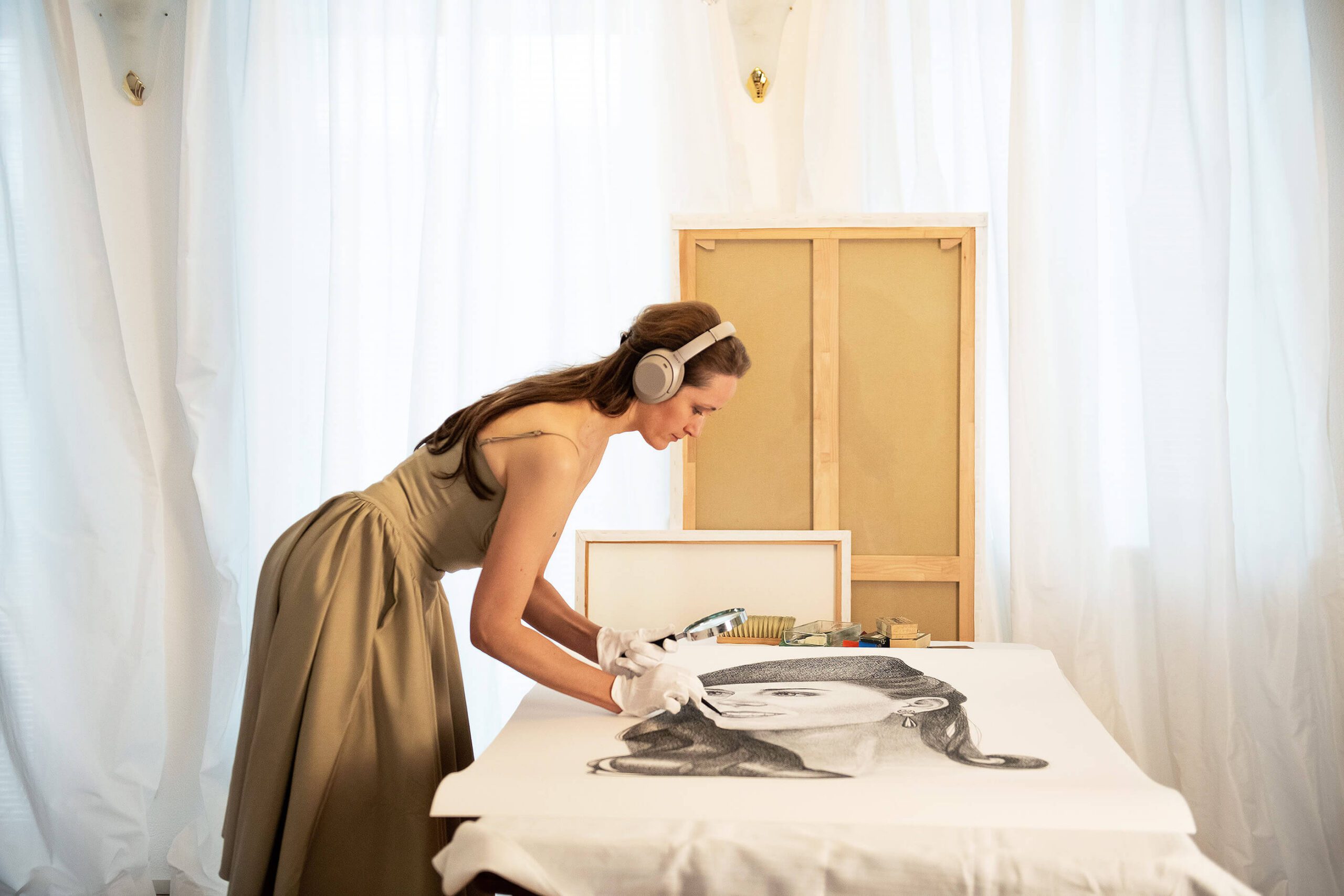
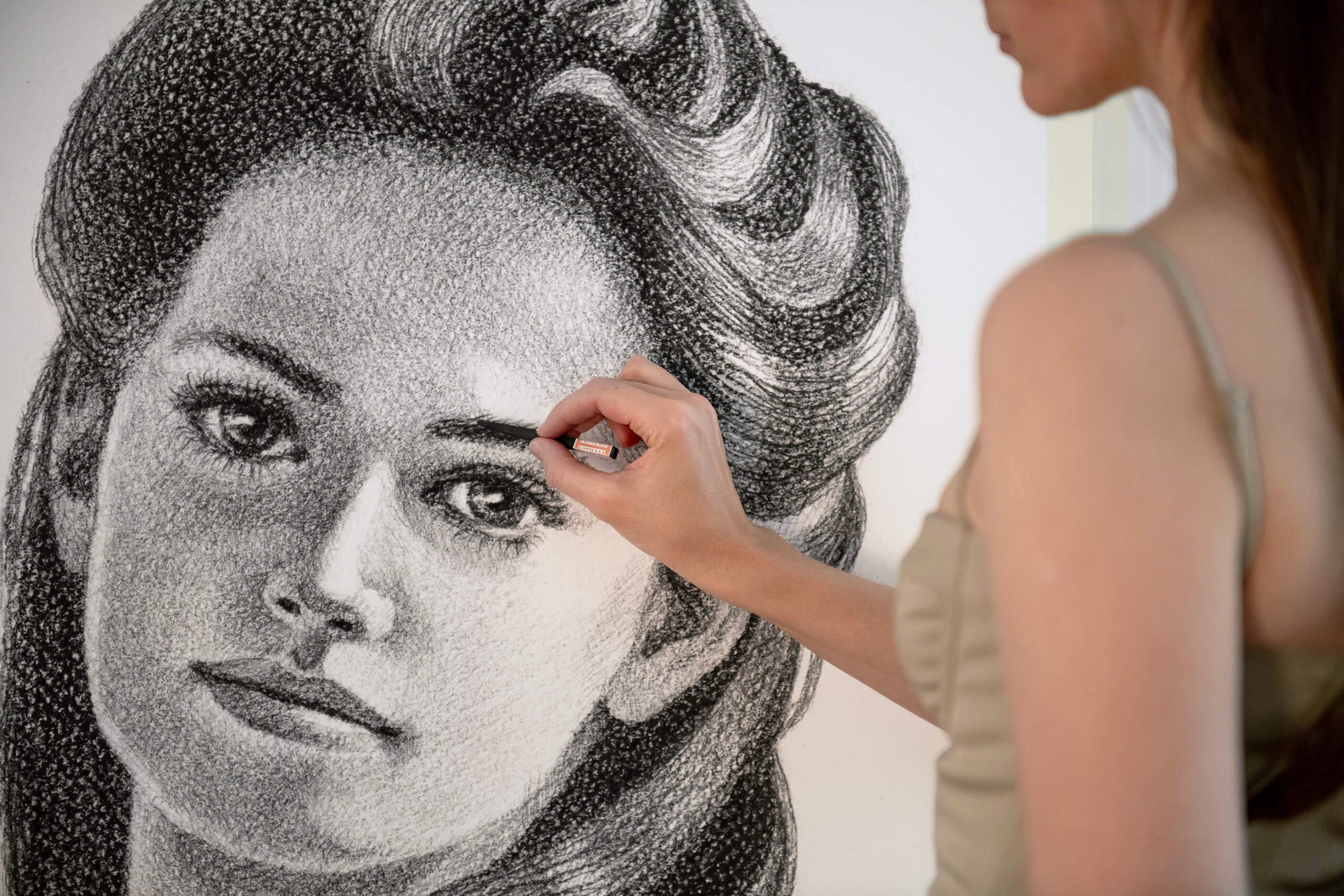
Her work often focuses on still lifes: plants, fruits, and the quiet abundance of the garden. She has a series of fruits and plants that she grew herself. The same hands that planted the seed or tree, cared for it, watered it, waited for it, and harvested it also photographed it and later created the ideal version of it in classical oil painting on the finest linen.
There is something deeply moving to me about that sequence.
Planting. Caring. Waiting. Harvesting. Looking. Photographing. Painting.
The fruit passes through time, through the garden, through the hand, through the camera, through memory, and finally into oil paint. Something temporary becomes almost eternal.
My mother’s still lifes are not only images of nature. They are records of devotion. They show nature as gift, but also as relationship. A fruit is not simply a fruit when you have grown it, touched the soil around it, carried water to it, watched the seasons move through it, and then painted it with the discipline of classical technique.
From my father, I learned that a landscape can carry atmosphere.
From my mother, I learned that nature can become a sacred object of attention.
Forest Frequencies comes from both.
The room is never neutral
In our family, we have always spoken about what makes a space feel alive. What makes a place benevolent?
Why can one museum room feel open and charged, while another feels cold and dead? Why does one landscape restore the nervous system while another feels heavy? Why can one painting make a room breathe differently?
My father and I have had long conversations about quantum physics, frequencies, energy, places of power, and the strange intelligence of certain spaces. Those conversations opened questions rather than settled them. They taught me to take felt experience seriously, while remaining curious about what could be observed, measured or explained.
We do not always use the same words for it, but we are often circling the same question.
What energy does a place carry? And can art preserve it?
Even now, in his seventies, my father cannot stay inside for a full day. He has to go out. A walk, a jog, a few hours in the air. Not simply as exercise, but to recharge. His body seems to know when it needs contact with the living world again.
That knowledge shaped me.
It made me understand that a room is never just a room. A landscape is never just a view. A fruit is never just an object. An artwork is never just something placed on a wall.
Everything carries a charge.
These encounters leave traces in how we feel, remember and pay attention.
Painting what a place feels like
My father does not paint landscapes as scenery.
He paints the felt experience of a place. The pressure of a sky. The silence after rain. The field behind the field. The intelligence of a hill. The breathing space between trees. The kind of air that changes you before you can explain why.
His landscapes taught me that art can transport atmosphere.
A painting can hold a landscape.
A still life can hold a garden.
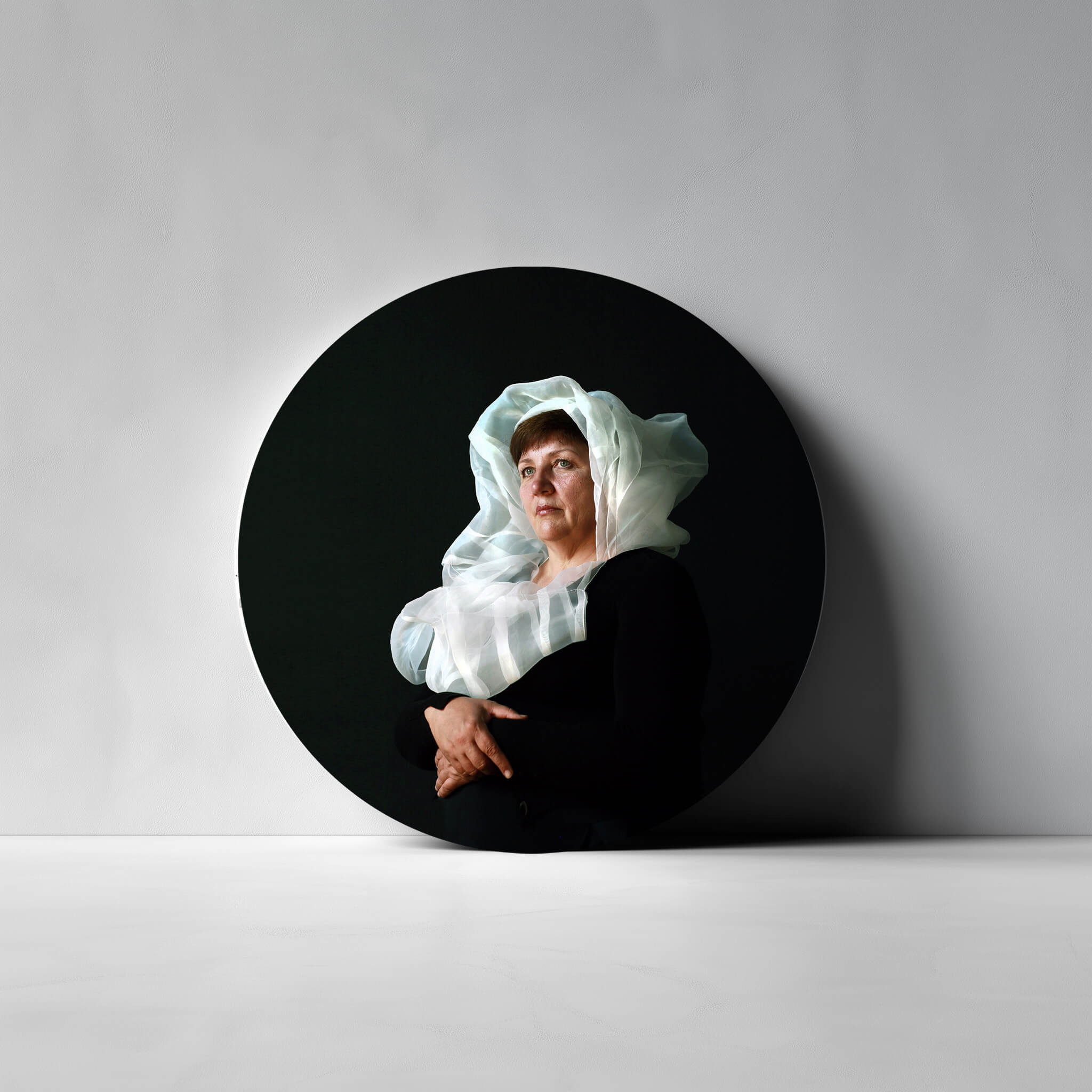
A portrait can hold a person.
A room can hold a life.
An artwork can hold a frequency, an atmosphere you return to again and again, especially when the world outside becomes too loud.
This became one of the beginnings of my own search: where do we feel most ourselves? What kind of space gives us back to ourselves? What kind of image can hold a place of power without becoming decorative?
Forest Frequencies is one answer to that search.
When vibration becomes visible
My interest in water, sound and vibration gave this search a new direction. I encountered Chladni figures: patterns formed when particles on a vibrating plate gather along nodal lines, where movement is minimal. An invisible movement becomes a visible structure. [1]
What caught my attention was the meeting of physical order and visual surprise. A pattern could emerge through the behaviour of a material, with the artist establishing the conditions in which it appeared.
Here, “frequency” has a precise meaning: the number of oscillations per second. Yet frequency alone does not determine the pattern. The plate’s geometry, material and support also matter.
That dependence interests me. Form emerges through relationships.
What the forest changes
My attraction to forests began with experience, long before I looked for an explanation. The hush after rain. Green light through leaves. The feeling that attention has somewhere else to go.
Research offers a way to examine aspects of that experience. In field experiments across 24 Japanese forests, Park and colleagues found lower salivary cortisol and pulse rates in forest settings than in urban settings among the young men studied. These were responses to particular environments under particular conditions. [2]
For my work, this distinction opens a more interesting question: what can an artwork carry from an encounter whose sounds, air, scale and duration it cannot reproduce?
I return to the idea of a field recording. In Forest Frequencies, I use this as an artistic analogy: an image might retain something of the attention a place invited, even when the place itself is absent.
A method in development
The vibration-based direction of Forest Frequencies is still developing. I am exploring how controlled vibration might contribute to the formation of an image, alongside decisions about composition, material and presentation.
The next step is to test and document those relationships: how a surface responds, which conditions produce a pattern, and what happens when those conditions change.
The phrase “a frequency made visible” needs that material specificity. A pattern records the behaviour of a particular system; the artwork also carries the decisions through which I select, interpret and present it.
I am interested in the point where physical process becomes artistic language.
What I carry forward
My father went into landscapes to bring back their atmosphere. My mother grew plants and fruits, then gave their temporary abundance another duration in paint.
I recognise both impulses in this work: the wish to preserve an encounter, and the patience to give it form.
Forest Frequencies allows that enquiry to move towards objects, surfaces and spatial experience. What matters to me is how a work meets the body: at a distance, in changing light, through the repeated act of looking.
The word I keep returning to is wohlwollend: benevolent, well-disposed.
It names a quality I seek in the work. A presence that allows attention to settle, without prescribing what the viewer should feel.
Living with Forest Frequencies
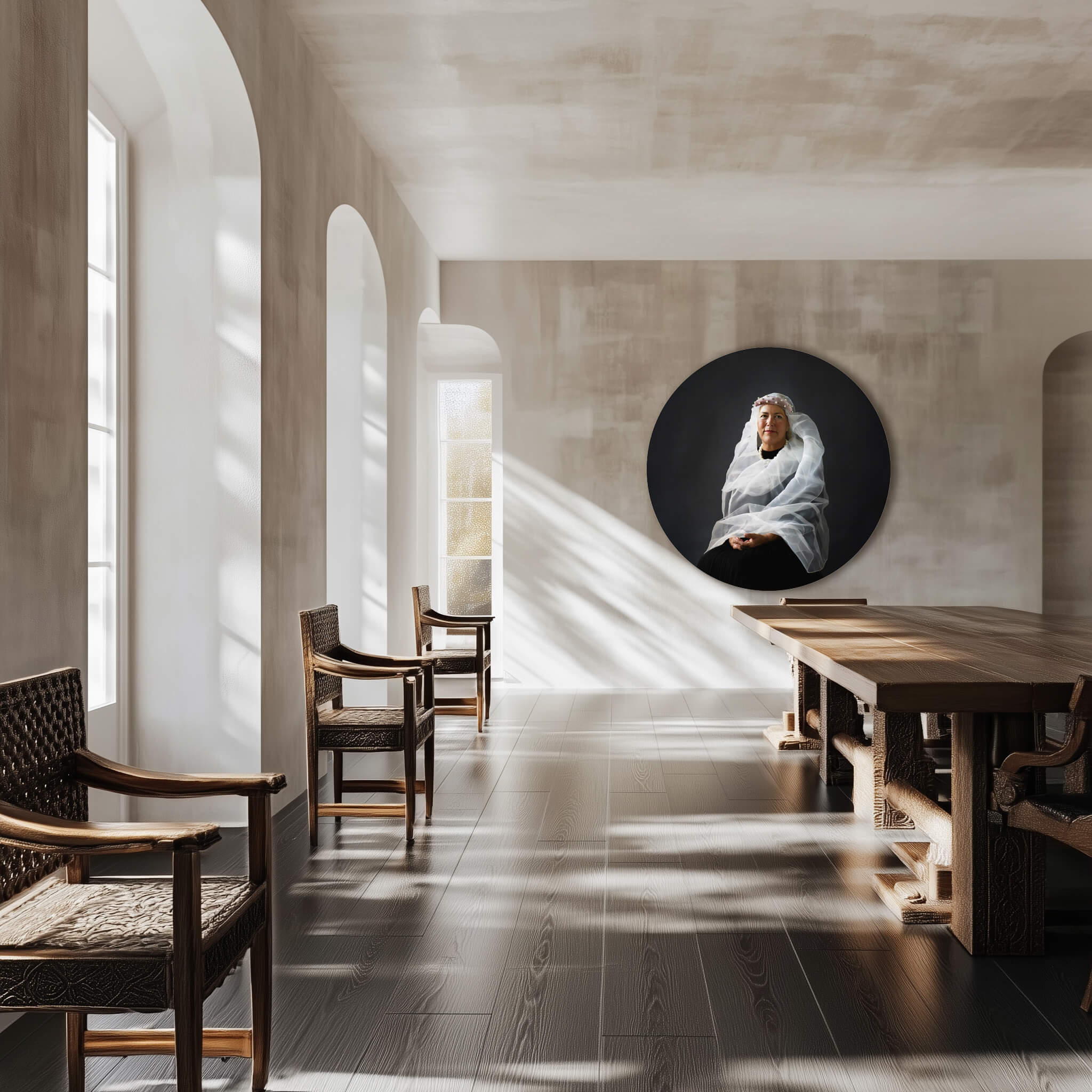
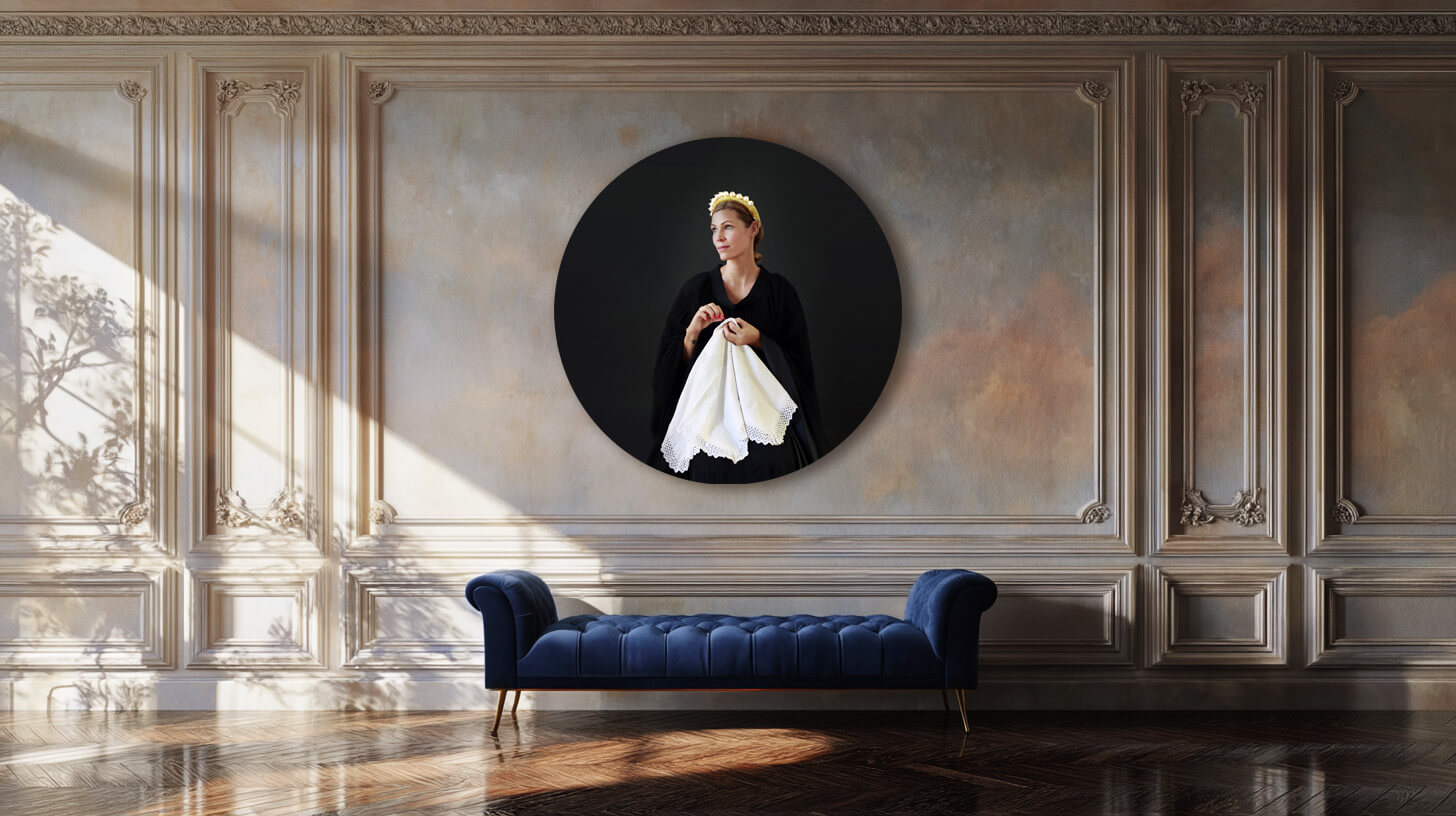
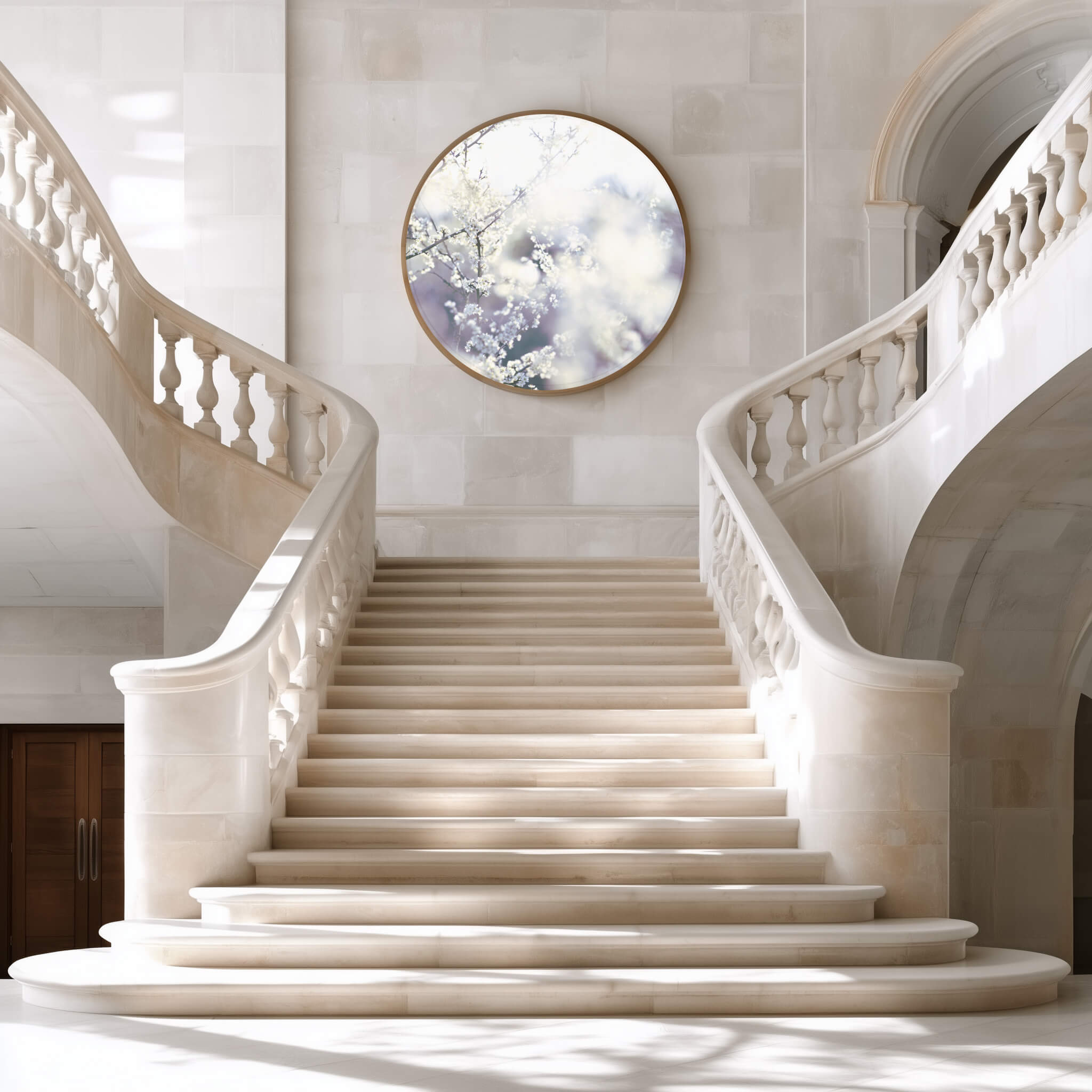
The encounter changes when a work enters a home. It becomes part of ordinary time: passed on the way to breakfast, noticed from a chair, rediscovered in another season’s light.
This is where collecting interests me most. The first attraction matters; so does what continues to unfold after familiarity has arrived.
When choosing a work from Forest Frequencies, consider the place from which you will encounter it. How far away will you stand? What happens to the surface as daylight moves? Which details invite you closer?
My father could dismiss a room in half a second. I am interested in the work that makes us stay.
Explore the series
View Forest Frequencies, then contact my studio to discuss a particular work, current availability, dimensions and presentation.
If you have a space in mind, include a photograph and approximate wall dimensions with your enquiry. It gives us a concrete starting point for considering the work in relation to its future setting.
Explore Forest Frequencies · Enquire about a work
References
- [1] Zhou, Q. et al. (2016). Controlling the motion of multiple objects on a Chladni plate. Nature Communications, 7, 12764.
- [2] Park, B. J. et al. (2010). The physiological effects of Shinrin-yoku: evidence from field experiments in 24 forests across Japan. Environmental Health and Preventive Medicine, 15, 18–26.
What can an artwork preserve of an encounter with nature? Atlanta Weiss traces Forest Frequencies from her parents’ painting practices to an evolving enquiry into vibration, material and perception—and the experience of living with art.