

Cologne art history has always understood time differently. This is a city where a cathedral could take 632 years to complete, and where the world’s first modern art fair began in 1967. Both facts say something about Cologne. The city knows how to hold the old and the new in the same hand. The Cologne Cathedral belongs to patience, faith, architecture, and endurance.
Art Cologne, first launched as Kunstmarkt Köln ’67, belongs to another kind of cultural shift: the moment contemporary art became more visible, more mobile, more market-facing, and more directly connected to collectors.
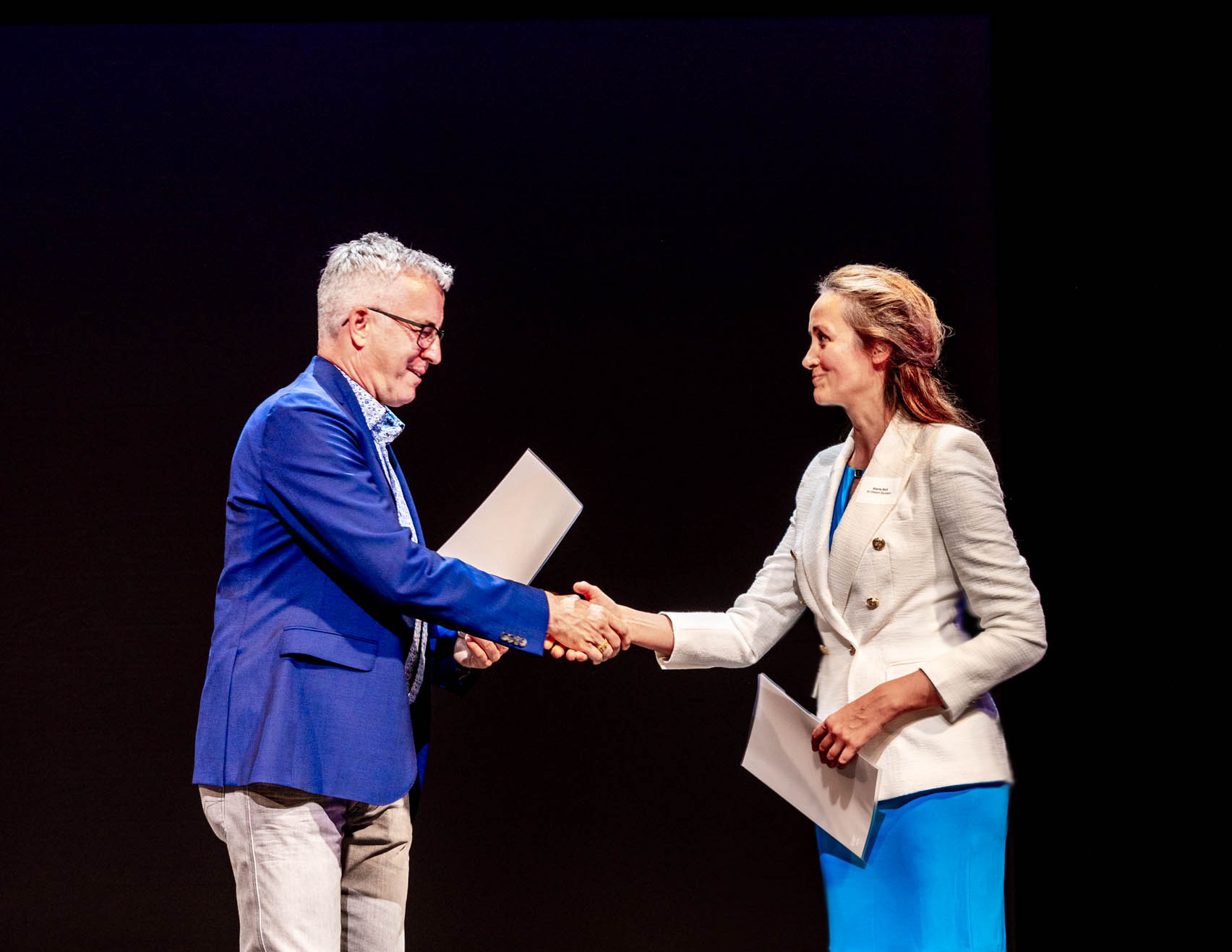
I have been thinking about this history differently since receiving the Kölner KulturPaten seal for my work mentoring and educating professional artists in Cologne.
Not for an exhibition. Not for a single artwork. But for something quieter and, I believe, deeply necessary: helping artists understand visibility, marketing, collector communication, and entrepreneurial thinking.
In a city with such a strong cultural memory, this matters.

Cologne art history is not only behind us
It is easy to treat art history as something safely finished.
A cathedral.
A museum.
An archive.
A fair that already happened.
But Cologne art history is still being written. Not only in institutions, galleries, and museums, but also in studios, artist-run spaces, education projects, digital communities, and quiet conversations between artists and collectors.
The first Kunstmarkt Köln in 1967 changed the way contemporary art could be seen and traded. It created a new format for connection between galleries, artists, and collectors.
Today, another shift is happening.
It is less visible from the outside, but artists feel it every day.
The old structures still matter. Galleries still matter. Museums still matter. Critics, curators, art fairs, and collections still matter.
But they are no longer the only doors.
Independent artists are building audiences directly. Collectors are discovering work online before they meet it in person. Artists are learning to speak about their work, protect their archives, understand pricing, document their practice, and communicate with the people who collect them.
This is not the end of the art world.
It is another layer being added to it.
Why artist education has become cultural infrastructure
Most artists are trained to make work.
Far fewer are trained to build the conditions that allow the work to survive.
This gap becomes painful after graduation. An artist may know how to paint, draw, photograph, sculpt, research, or install, but still feel lost when asked to price a work, write to a collector, build a website, organise an archive, understand contracts, or speak about their practice without shrinking.
That is why artist education beyond technique matters.
Not because artists should become salespeople.
Because artists should not be left powerless around the work they create.
Marketing, visibility, collector communication, and business literacy are often treated as superficial topics. I disagree. When handled with integrity, they become forms of protection.
They help artists remain independent.
They help collectors understand what they are looking at.
They help institutions discover serious voices earlier.
They help culture become less dependent on a small number of gatekeepers.
This is why the Kölner KulturPaten recognition moved me.
It acknowledged that supporting artists behind the visible artwork is also cultural work.
What this means for collectors
Collectors are entering a different art world.
The next important artist may not arrive first through a blue-chip gallery. She may be building a serious practice independently. She may be writing, teaching, documenting, publishing, and communicating directly with those who understand her work.
For collectors, this is not a problem.
It is an opportunity.
It means you can look earlier. You can pay attention before consensus forms. You can follow the development of a body of work over time. You can understand the values, materials, subjects, and language behind the work before you acquire it.
This requires a different kind of looking.
Less passive.
Less status-led.
More attentive.
A serious collector does not only ask: who already approved this? A serious collector also asks: what is forming here?
Cologne, the art fair, and the independent artist
Art Cologne began as a new format.
That is easy to forget now, because art fairs have become normal. But in 1967, the idea of bringing galleries, works, collectors, and the market into this kind of concentrated public structure was a major change.
Every format that later becomes tradition was once experimental.
This is the part of Cologne’s art history I find most alive.
The Cathedral reminds us that culture can be built across generations.
Art Cologne reminds us that culture also changes through formats.
And today, independent artists are working in another format shift: digital visibility, direct collector relationships, artist education, online archives, newsletters, editions, studio letters, and new ways of making the private life of art visible without making it cheap.
This is where my own worlds meet.
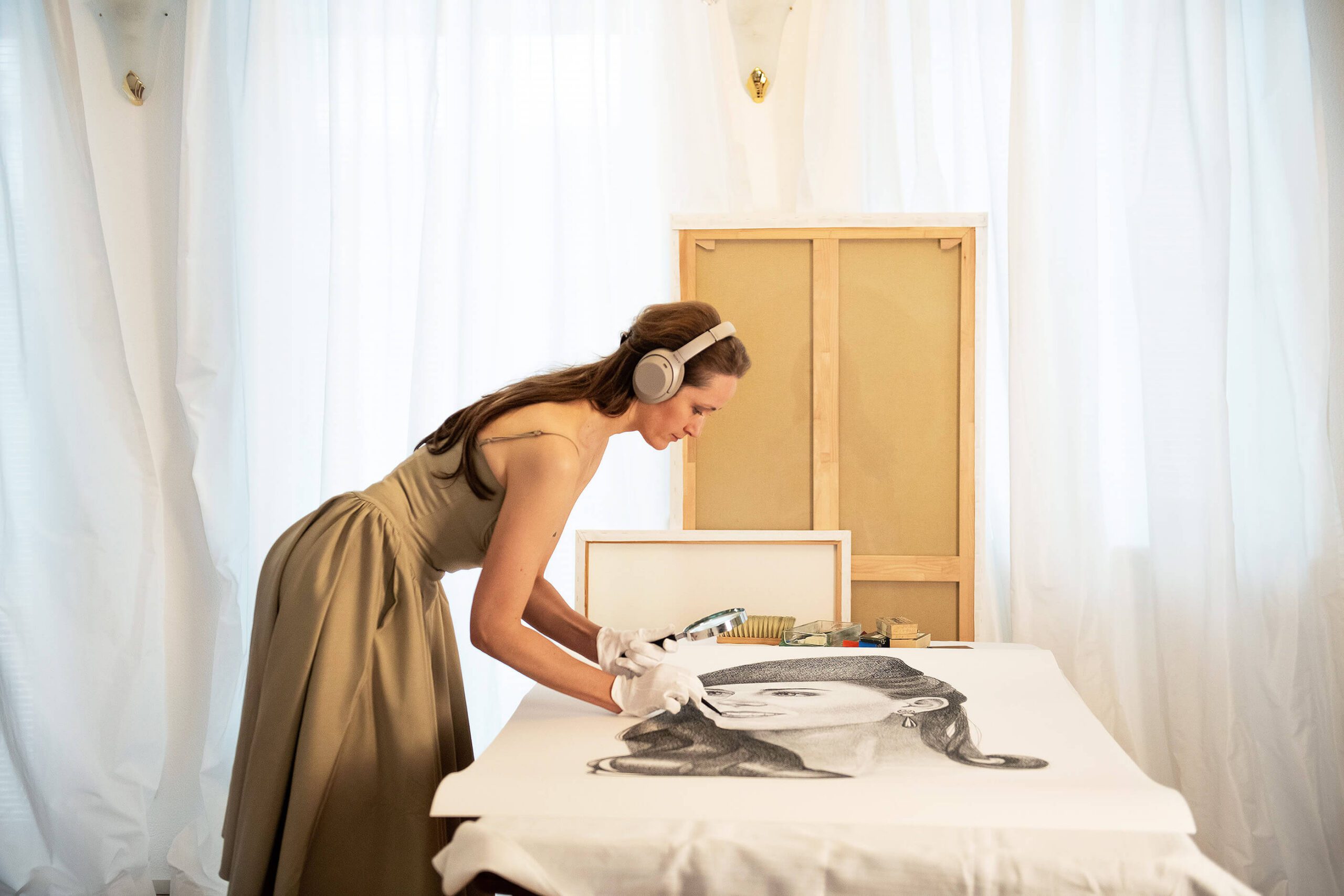
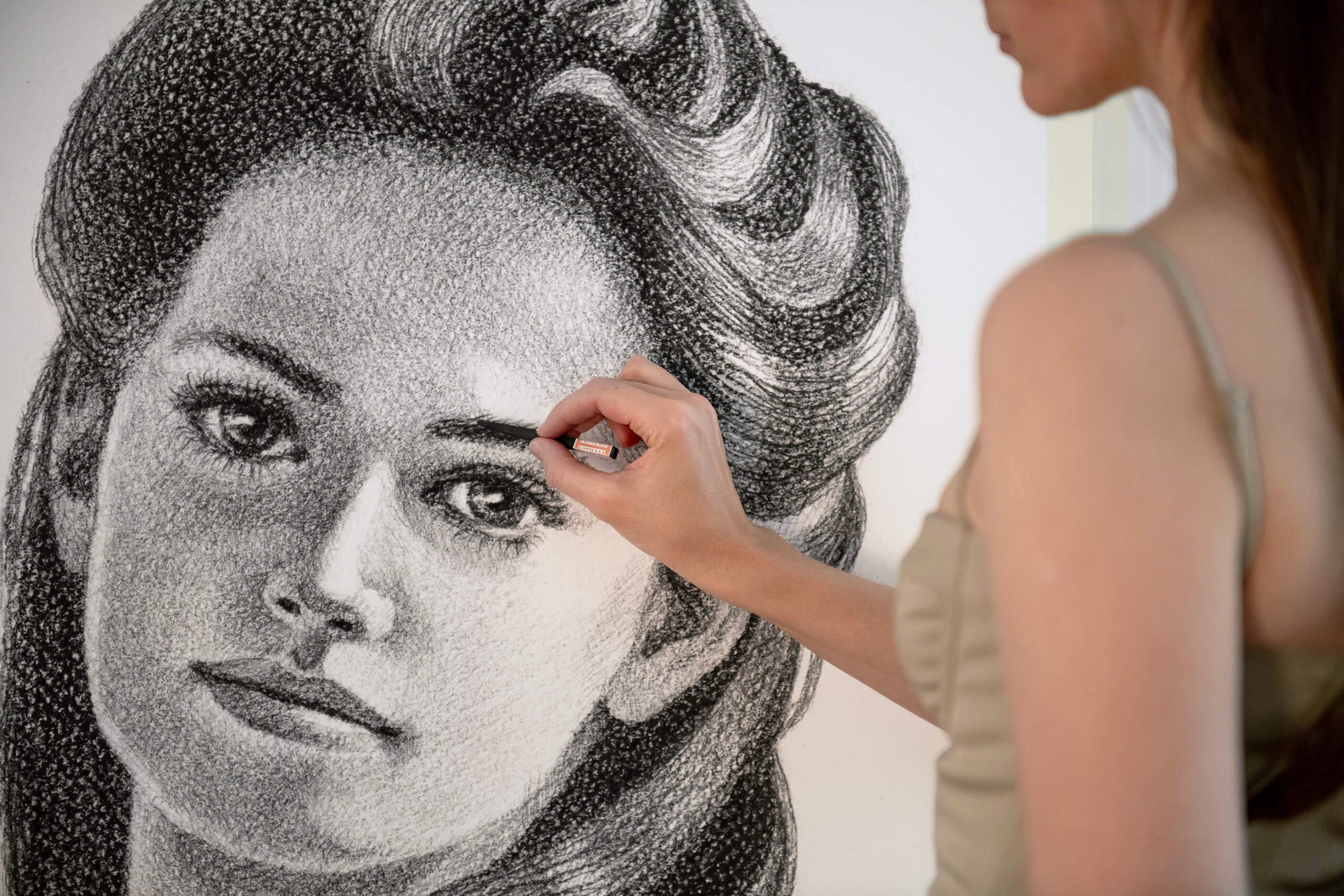
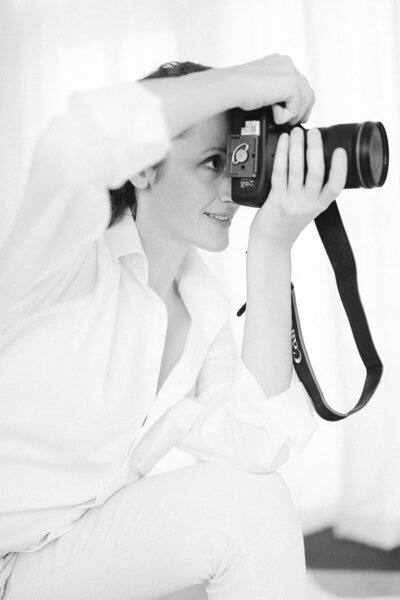
Atlanta Weiss Studio is my artistic practice.
Art Wisdom Education is where I teach artists the knowledge that many of us were never given.
Both come from the same conviction: art deserves seriousness, and artists need structures that allow that seriousness to last.
A new chapter does not erase the old one
I do not believe in replacing tradition with novelty.
I believe in continuity.
The strongest cultural futures do not cut themselves off from history. They understand what came before, then add what is missing.
For me, this is where beauty, education, and independence meet.
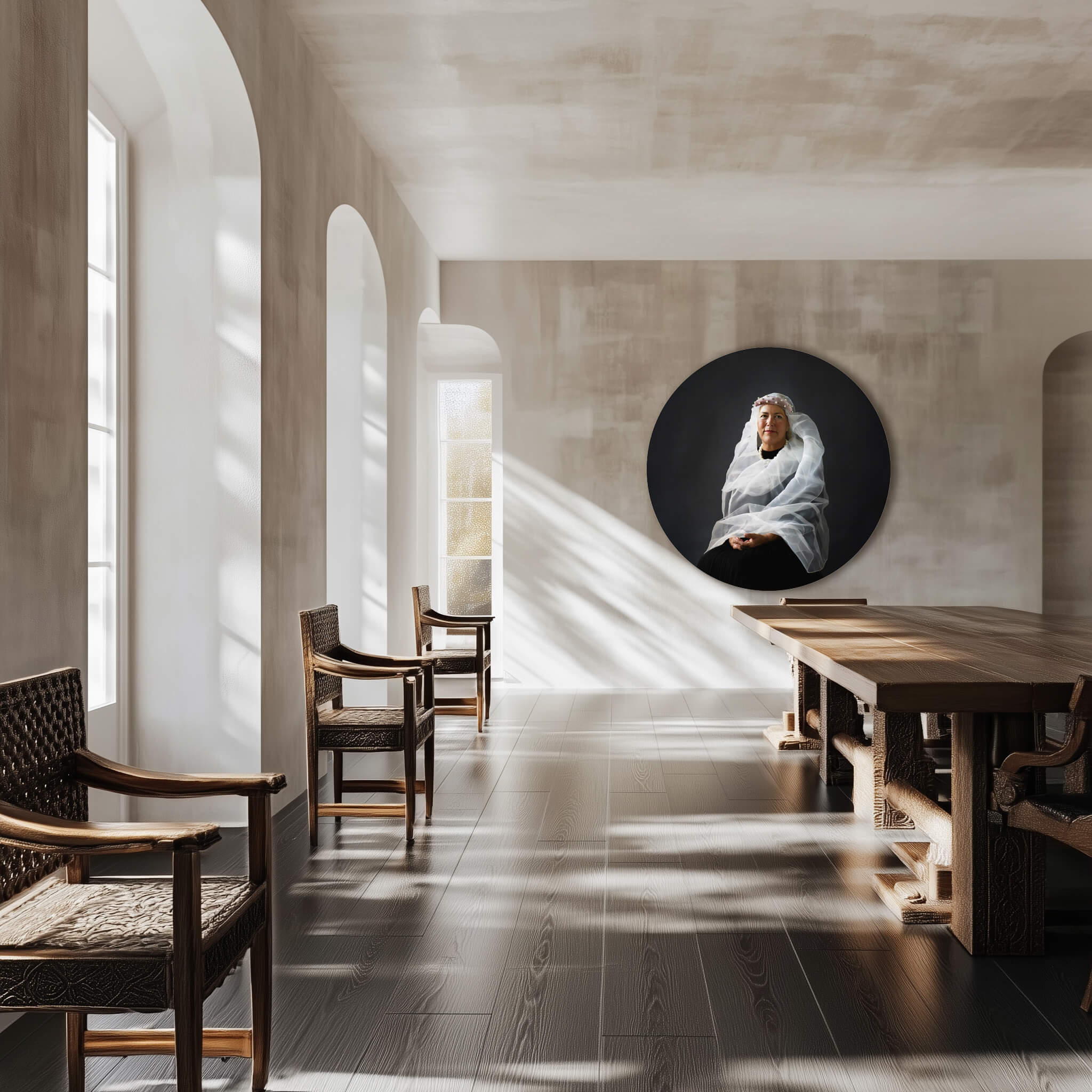
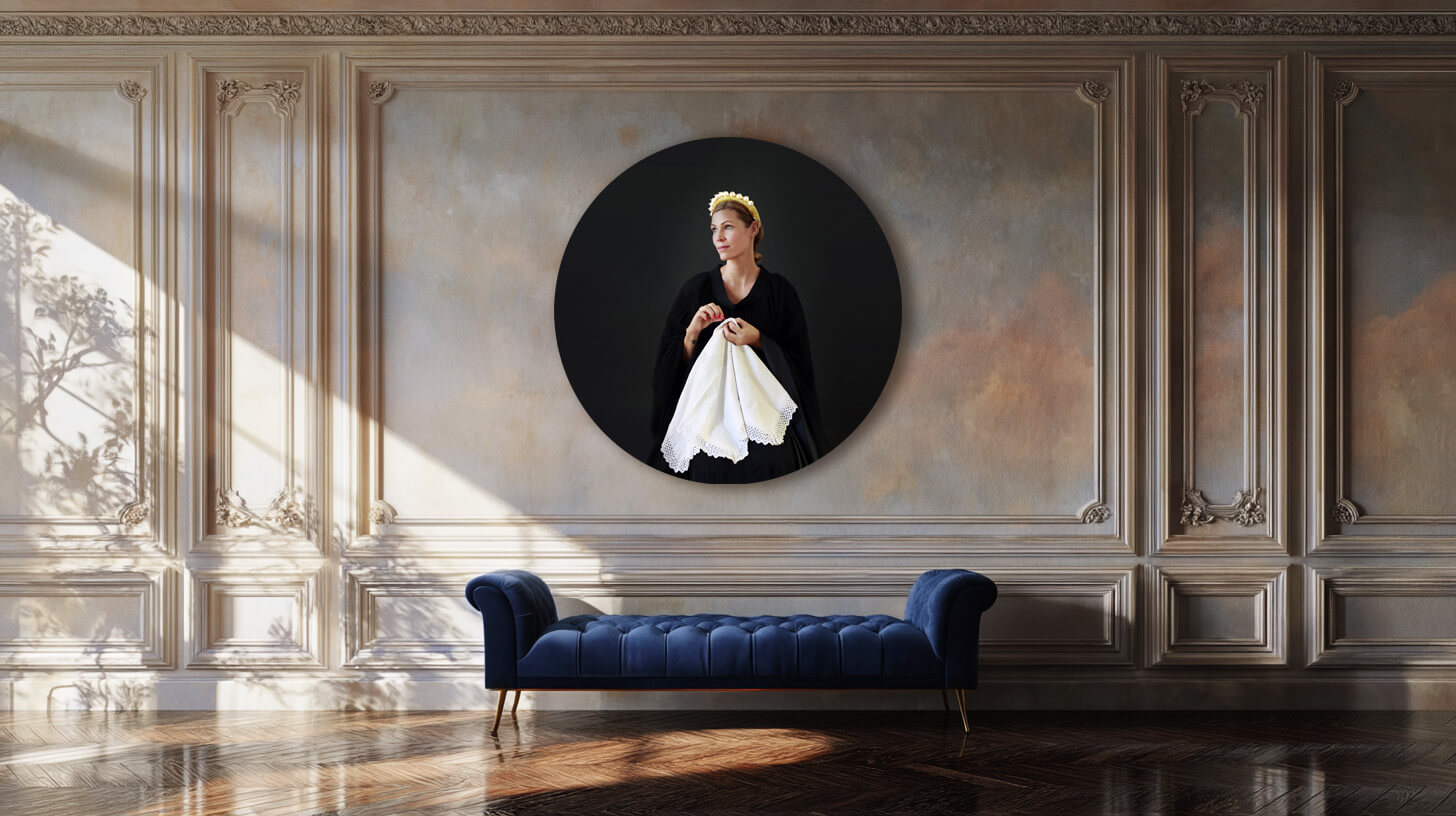
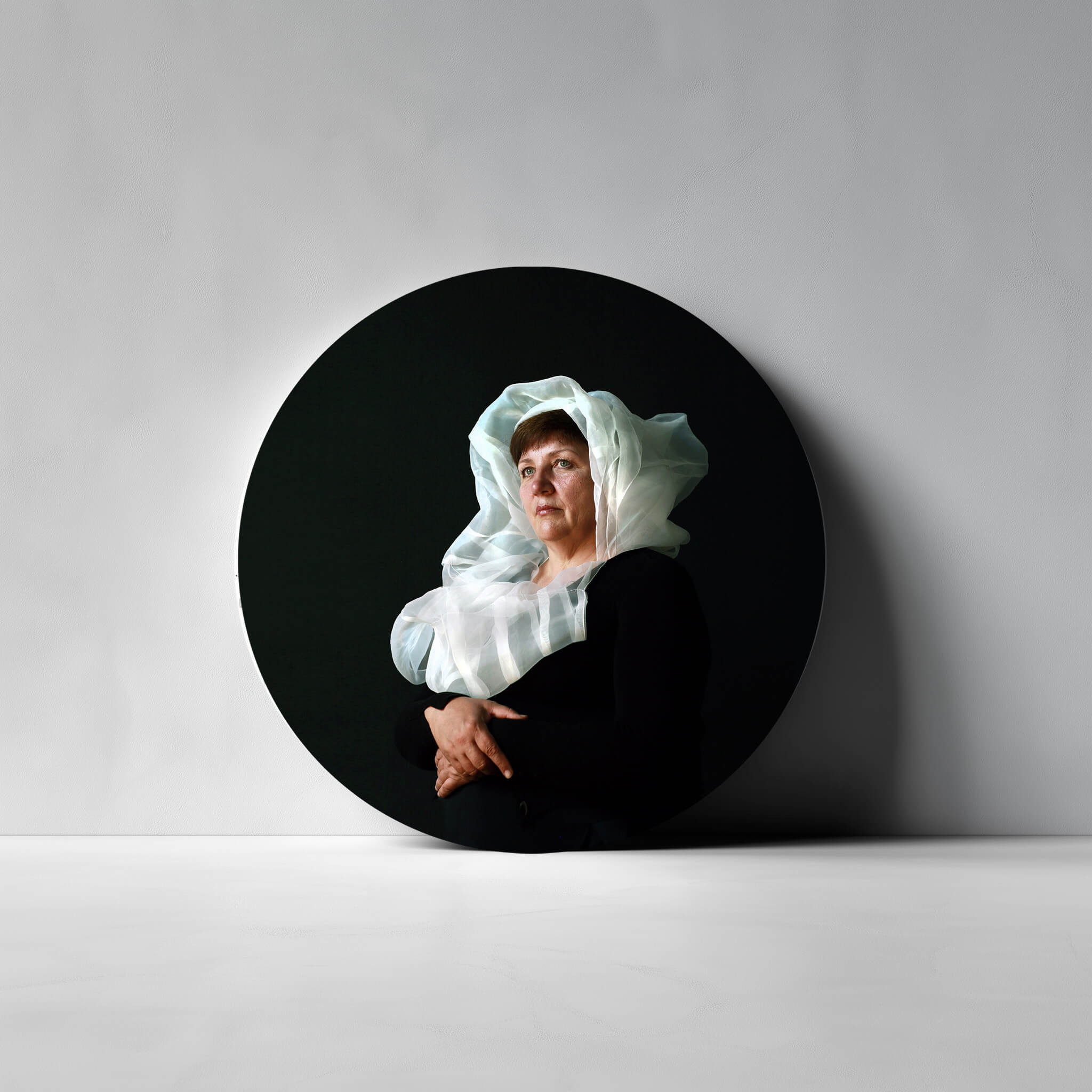
A portrait can belong to an old lineage and still speak to the present.
A collector can respect institutions and still discover artists directly.
An artist can be poetic and financially literate.
A city can honour its cathedral and still make space for new forms of cultural infrastructure.
This is the chapter I want to contribute to.
A chapter where artists are not only visible when someone else opens the door.
A chapter where collectors understand that supporting an artist’s structure is also supporting the work.
A chapter where Cologne’s cultural future is built not only through monuments and fairs, but through the knowledge that helps artists stay in the room.
Continue inside the Atlanta Weiss world
If this way of seeing speaks to you, you are warmly invited to receive my Studio Notes — letters on portraiture, collecting, beauty, interiors, and the cultural life around Atlanta Weiss Studio.
You can also explore Portrait Letter Club, available limited-edition artworks, or the Portrait Experience for private commissions.
Sources & Further Reading
- Kölner Kulturpaten e.V. — The awarding institution
- Larry’s List: THE NEXT GEN ART COLLECTORS REPORT
- Larry’s List: THE ART COLLECTOR IG ATTENTION REPORT
- A History of the first Modern Art Fair by Günter Herzog
- How to Collect Art by Magnus Resch (Amazon)
- Collector’s Guide: Mastering Art Investment Through Portraiture
Contact: For collectors, museums, or institutional collaborations: studio@atlantaweiss.art
Portfolio: www.atlantaweiss.art
My online education platform for artists: www.artwisdom.education
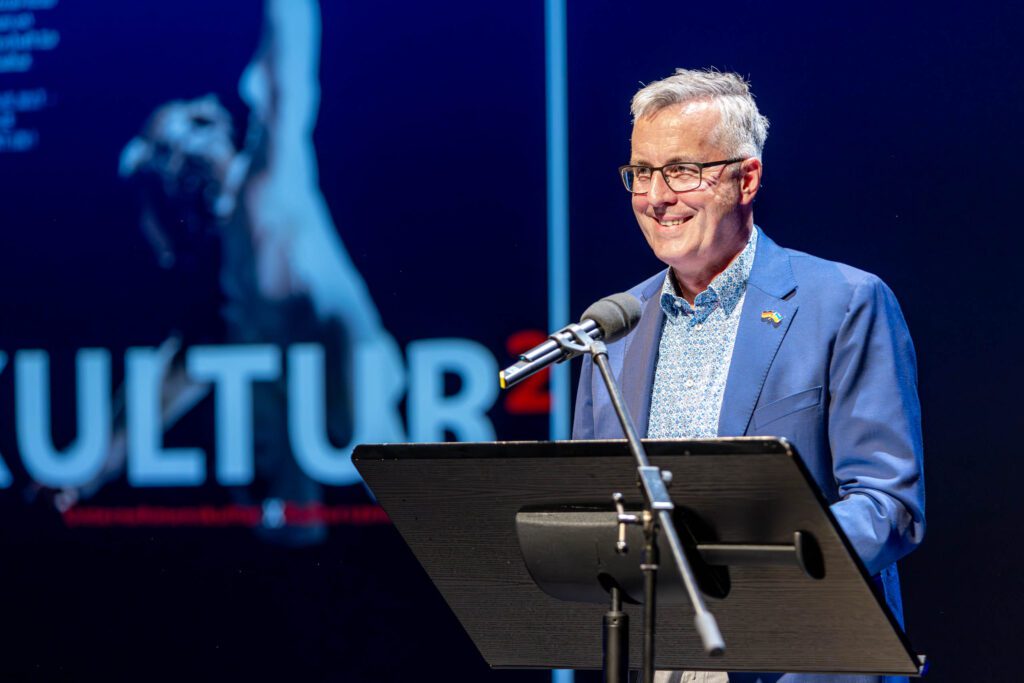


Atlanta Weiss receiving the Kölner KulturPaten award in Cologne. This image supports an article on Cologne art history, Art Cologne, artist education, independent artists, cultural shifts, collectors, and the future of contemporary art.