

A spreadsheet can tell you that only thirty exist.
It cannot tell you whether one deserves your attention.
Yet the fraction in the corner of an artwork—5/30, for example—can become surprisingly persuasive. Before we have examined the image, we have begun counting its scarcity.
Limited-edition artworks deserve a more demanding encounter. The number matters. So do the work, the materials, the artist’s practice and the terms of the edition.
The question is what, exactly, that number promises.
What does “limited edition” mean?
A limited edition is a defined group of works produced within a stated limit. It may comprise prints, photographs, sculptures, objects or works incorporating hand-finished elements.
The limit applies to the specified edition. Collectors should understand how that edition is defined: by image, dimensions, medium or another declared specification.
A work numbered 5/30 is identified as number five within a numbered edition of thirty. That marking does not necessarily mean it was produced fifth, or that number one is superior.
Artist’s proofs and other designated proofs may exist outside the numbered edition. Ask whether they do, and how many. [1]
The useful question is therefore more precise than “How many are left?”
What exists, in which forms, under which edition terms?
Scarcity cannot do the work of quality
An edition of ten tells you something about quantity. It does not establish the strength of the image, the quality of its production or its significance within an artist’s practice.
Look at the work before allowing the number to settle your judgement.
Does it sustain attention? Does its material form contribute to its meaning? Does it belong to a developed body of work? What becomes visible after the first attraction?
A small edition of an indifferent image remains an indifferent image.
Equally, a work need not be unique to be artistically substantial. Printmaking and photography allow artists to develop work through processes in which multiple examples are integral to the practice.
An edition can be an original work
“Original” and “edition” are not mutually exclusive categories.
A unique painting exists as a single work. An original print may be conceived and realised through printmaking in an edition. A reproduction translates an existing artwork into another form; it can be issued in either limited or unlimited numbers.
An open edition has no declared numerical limit. A limited edition does.
These distinctions describe different things: how a work was made, its relationship to an existing image and the number authorised for production.
Ask for those particulars. “Fine art,” “exclusive” and “museum-grade” are insufficient descriptions on their own.
What to establish before buying
A collector should be able to obtain clear answers to the following:
- Identity: Who made the work? What are its title and date?
- Edition: What is the numbered edition size? Are there additional proofs or other editions of the same image?
- Production: What process, materials and dimensions define this work?
- Authentication: How is it signed, numbered or otherwise identified? What documentation accompanies it?
- Context: How does it relate to the artist’s wider practice?
- Condition and presentation: Is it framed? Are there condition issues? How should it be displayed and cared for?
For a print described as archival, ask about the paper, inks and recommended display conditions. For a photographic or object-based edition, ask about its particular materials and construction.
The answers should make the acquisition clearer. If the description becomes more evasive as your questions become more specific, pause.
Choose the work you want to keep encountering
Technical clarity supports the personal decision. It cannot make it for you.
An edition may be your first acquisition or part of an established collection. In either case, consider how you will encounter it: across a room, beside a desk, in a passage or at close range.
Scale matters. So do light, surface and viewing distance. A small work may command sustained attention; a large one may contribute little beyond occupying space.
Ask yourself:
What do I notice when I return to it?
Would I still want to live with it if the edition number were temporarily covered?
That second question brings you back to the artwork.
Care continues after acquisition
Keep the invoice, certificate where supplied, edition details and relevant correspondence together. These records help identify the work and document your acquisition.
Follow the care instructions appropriate to its materials. For works on paper and photographs, discuss conservation framing, suitable mounting materials and light exposure with a knowledgeable framer. UV-filtering glazing does not make direct sunlight harmless.
Condition is part of the work’s continuing history. Thoughtful display and handling help preserve the qualities that first attracted you.
My approach to editions
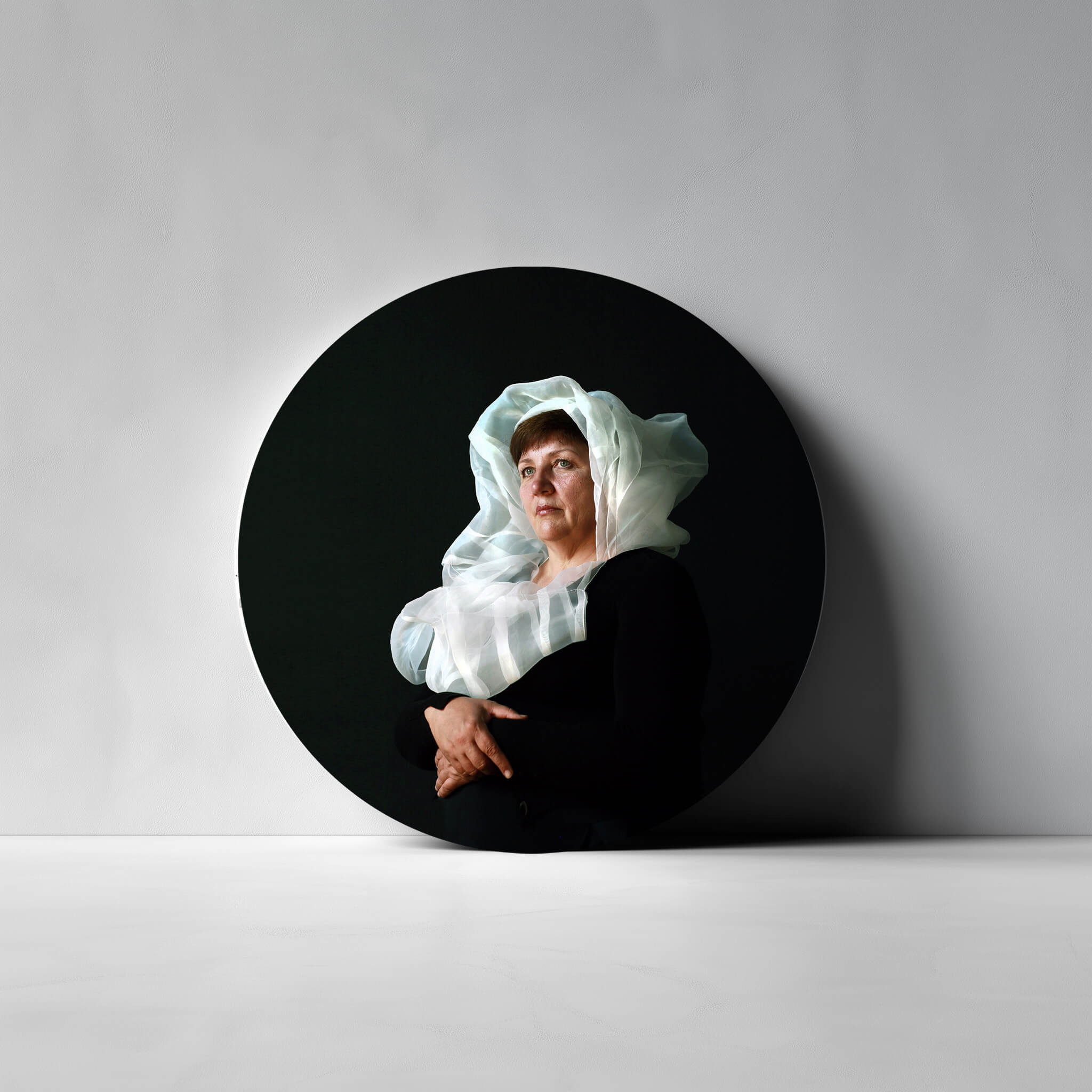
At Atlanta Weiss Studio, editions form part of the development and presentation of my bodies of work.
Archetype Archives explores identity through photographic portraits and recurring symbolic figures. Forest Frequencies approaches nature through atmosphere, perception and resonance.
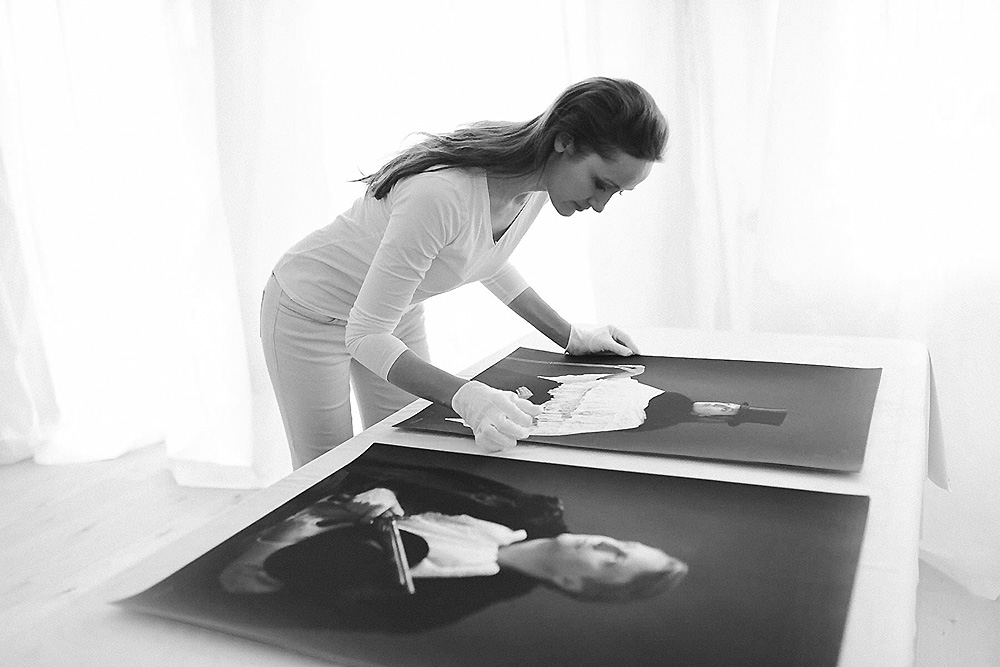
For me, the material presentation must support the image. The edition terms must be clear. The collector should understand what they are acquiring and how it belongs within the series.
I want the work to reward familiarity: to remain worth looking at when the acquisition itself is no longer new.
Look first. Then examine the particulars.
The spreadsheet has its place. It records the limit.
Your judgement begins with what lies inside it.
For edition details, materials, dimensions or presentation options, contact my studio with the title of the work that interests you.
Beginning a collection? Read How to Start Collecting Art: Attention, Judgement and Meaning.
Reference
[1] Christie’s: Collecting guide—key things to know about Prints and Multiples.
A spreadsheet can tell you that only thirty exist. It cannot tell you whether one deserves your attention. A collector’s guide to edition numbers, materials and documentation—and the judgements that scarcity cannot make for you.