

On cultural authority, aesthetic judgement and the collector’s responsibility to look again.
By Atlanta Weiss
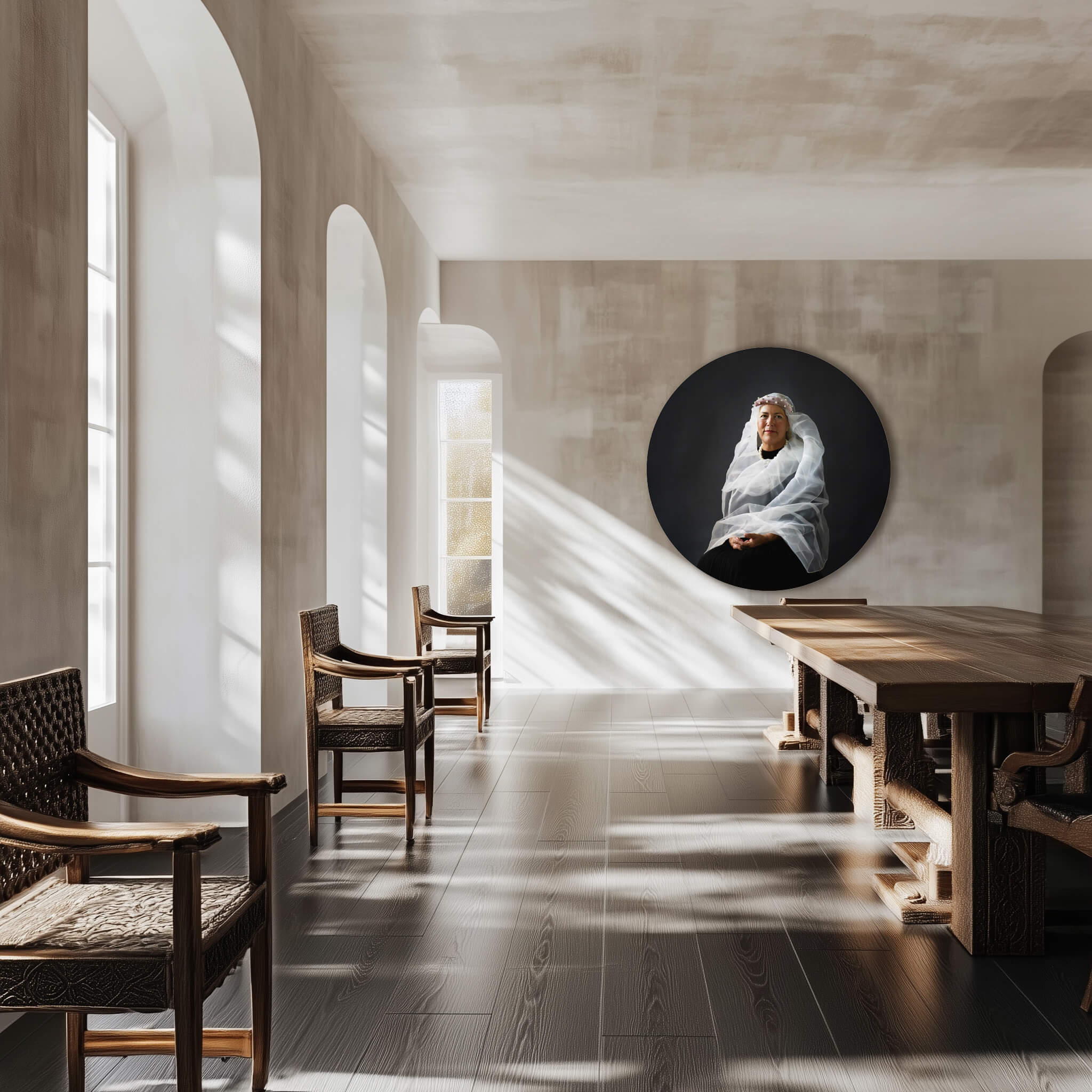
Imagine standing before a painting while an invisible board meets behind your eyes. A museum director has a vote. So does your education. A dealer circulates a price. Someone you admire has already expressed approval.
You have not consciously consulted any of them. Nevertheless, the verdict feels entirely your own.
The board is a metaphor. The problem it names is substantial: how do we distinguish an encounter with a work from an encounter with the authority assembled around it?
For collectors, this is a practical question. An acquisition can involve pleasure, belonging, historical interest, financial expectation and confidence in another person’s judgement. These motives need not invalidate one another. They become difficult to examine when compressed into the apparently self-sufficient statement, “I know what I like.”
Preference has a history
Pierre Bourdieu’s Distinction challenges the treatment of taste as a purely individual faculty. His account connects cultural judgement with social position and acquired dispositions. It provides a way to investigate how the capacity to recognise and value certain cultural forms is learned. Bourdieu, Distinction, translated by Richard Nice, 1984: excerpt.
The implication I draw is methodological: confidence in a preference does not explain its formation. A collector can be sincere and socially influenced at the same time.
That is not equivalent to claiming that all preferences are reducible to class, or that aesthetic discrimination is fraudulent. Such a conclusion would replace the difficult analysis of particular judgements with an equally convenient universal suspicion.
A label enters the experience
Experimental research offers a narrower observation. In a 2009 study, Ulrich Kirk and colleagues assigned images from the same artwork database to purported gallery or computer-generated contexts. Participants gave higher aesthetic ratings in the gallery condition. The study examined contextual effects under controlled conditions, not the enduring quality of works or the behaviour of every collector. Kirk et al., NeuroImage, 44(3), 1125–1132.
It would be an error to turn that result into “the museum label creates the masterpiece”. It would also be an error to assume that information enters only after an otherwise untouched aesthetic experience.
My argument is that the collector should treat context as an active participant in judgement. Its influence deserves scrutiny precisely because it can be useful.
Expertise is necessary—and revisable
A conservator may recognise an alteration that an inexperienced viewer cannot see. A curator may identify a relationship that changes how a work is understood. A scholar may correct a date or attribution. Institutional knowledge can make looking more informed.
An entirely unaided eye is neither a plausible ideal nor a necessary one.
The difficulty begins when the institution’s name replaces the reasoning it ought to make available. “An important museum exhibited this artist” is relevant information. It does not, on its own, explain why this particular work matters, whether it is representative of the practice, or what it contributes to a collection.
Reputation should generate questions with greater precision. When it terminates questioning, expertise has become a substitute for attention.
A two-stage looking practice
I propose a simple procedure for making that distinction more visible. It is a reflective practice, not a validated test of aesthetic independence.
First, where practical, encounter the work before studying its price or institutional biography. Record what is actually available to perception: material, scale, spatial organisation, rhythm, resistance, recurring detail. Distinguish a description from an evaluation. “The figure occupies almost the entire surface” describes a decision. “The work is powerful” announces a response that still needs explanation.
Second, examine the context. Read the artist’s account, relevant criticism, exhibition history and available documentation. Then return to the first notes.
What changed? Which information enabled you to see something previously missed? Which information merely made approval feel safer? What remains unresolved?
This procedure does not remove bias. It leaves a record of how judgement developed. It also makes room for legitimate revision: an initial encounter can be impoverished by missing knowledge just as a later encounter can be overwhelmed by reputation.
A collection should permit disagreement
A collection assembled solely around recognised approval may be coherent as a record of consensus. That does not automatically make it intellectually coherent on its own terms.
For my purposes, a collection becomes an argument when its selections establish relations that can be articulated and challenged. One work may complicate another. A recurring question may move across media or generations. An acquisition may expose a limitation in the collection’s existing account.
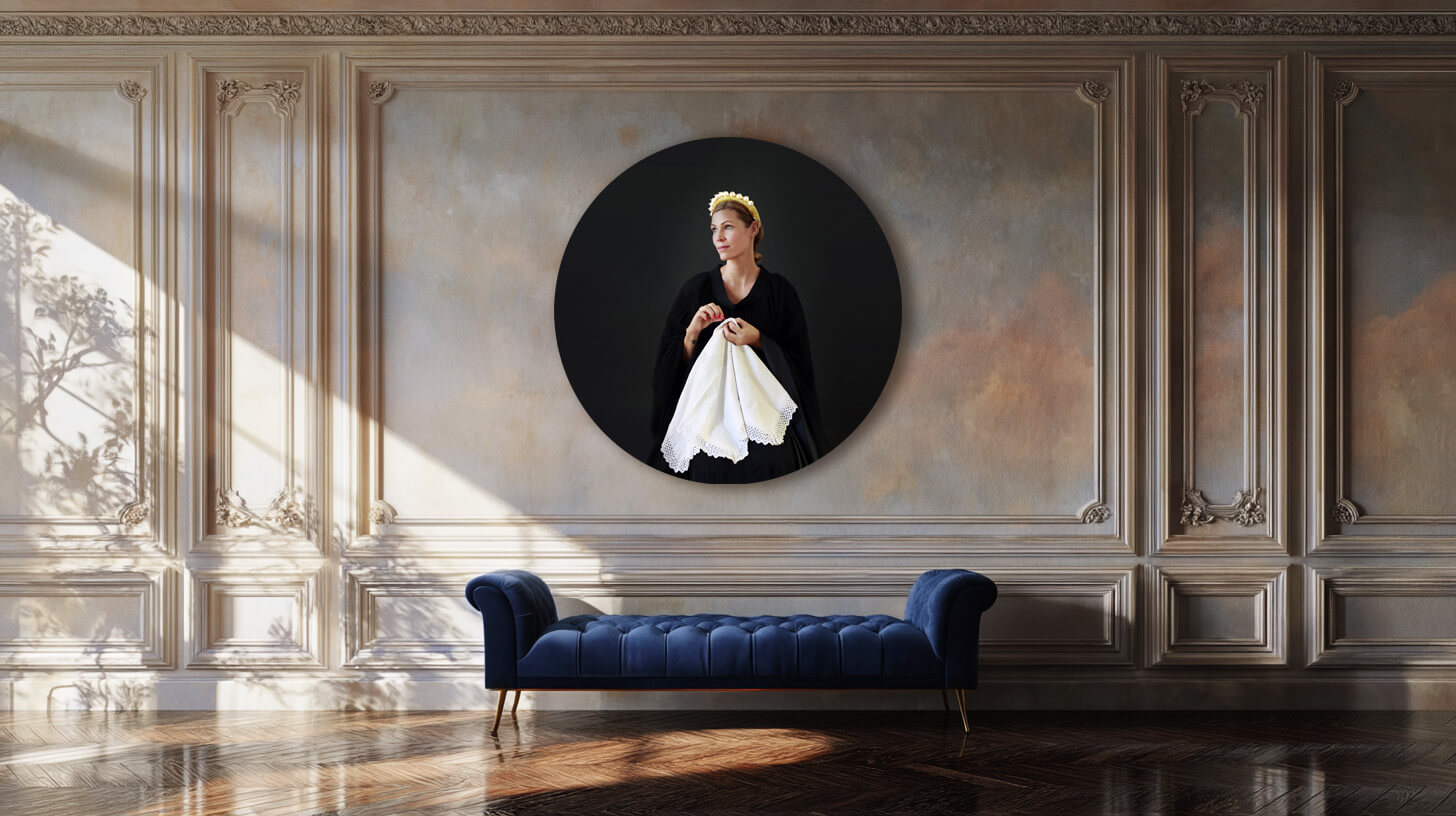
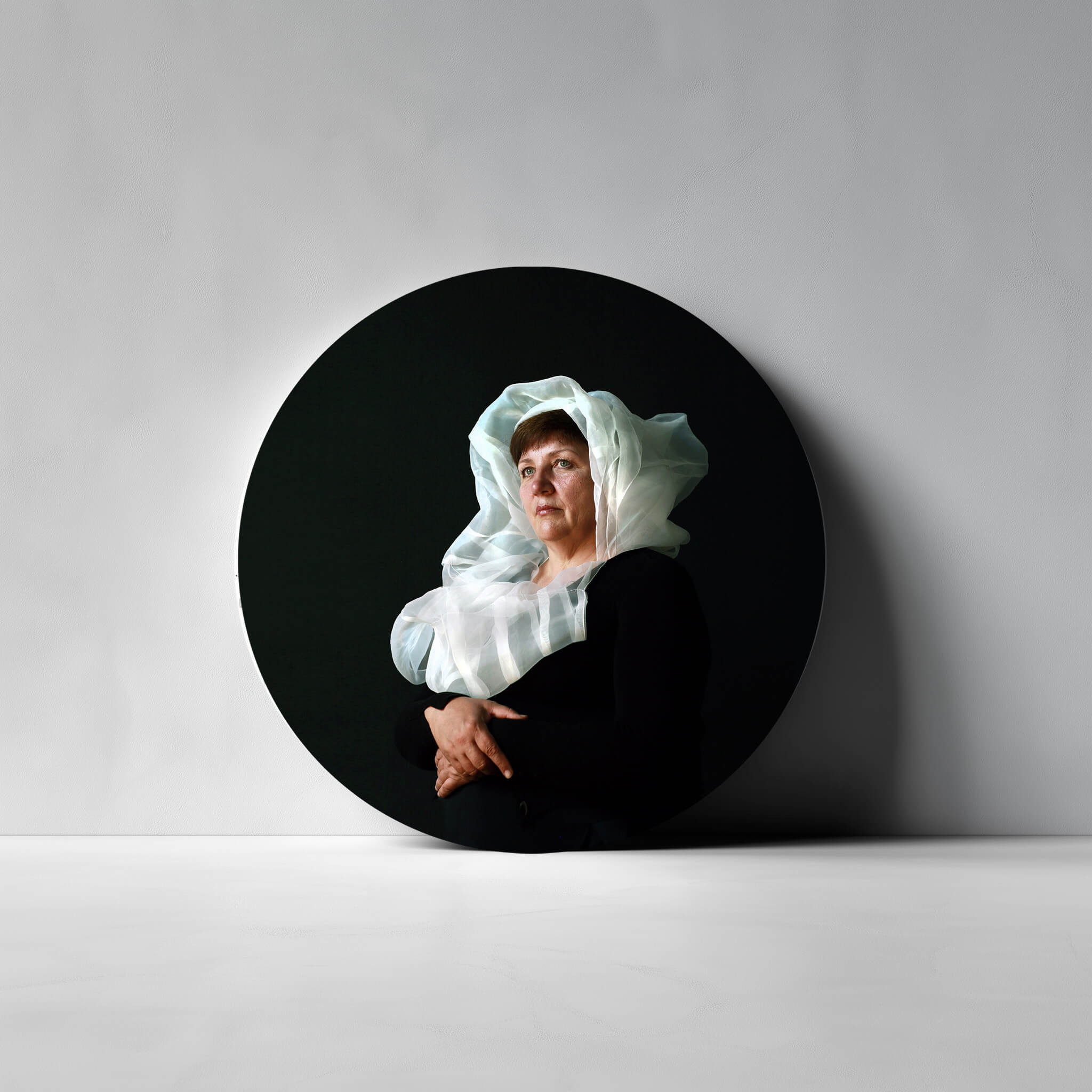
Here, coherence should not mean visual sameness. A collection concerned with authority, for example, could bring a ceremonial portrait into conversation with an image that makes the sitter difficult to identify. Their disagreement could be the reason they belong together.
This account must also admit the collector’s power. Access to acquisition is uneven. The ability to support an overlooked practice entails choices with material consequences for other people. Independence is not established merely by buying something unfashionable.
The relevant question is whether a collector can give reasons, remain open to correction, and sustain attention beyond the social satisfaction of ownership.
Your taste does not need to be free of influence to become your responsibility. It needs to become answerable to examination.
The invisible board may remain in the room. It need not have the final word.
An invitation to look: visit my portfolio and choose one work before reading its accompanying text. Then return to it with the context in view. If your reading changes, that difference is a useful beginning for a conversation about the work.
Imagine standing before a painting while an invisible board meets behind your eyes. A museum director has a vote. So does your education. A dealer circulates a price. Someone you admire has already expressed approval. You have not consciously consulted any of them. Nevertheless, the verdict feels entirely your own.