

The champagne needs no explanation. The painting has three paragraphs.
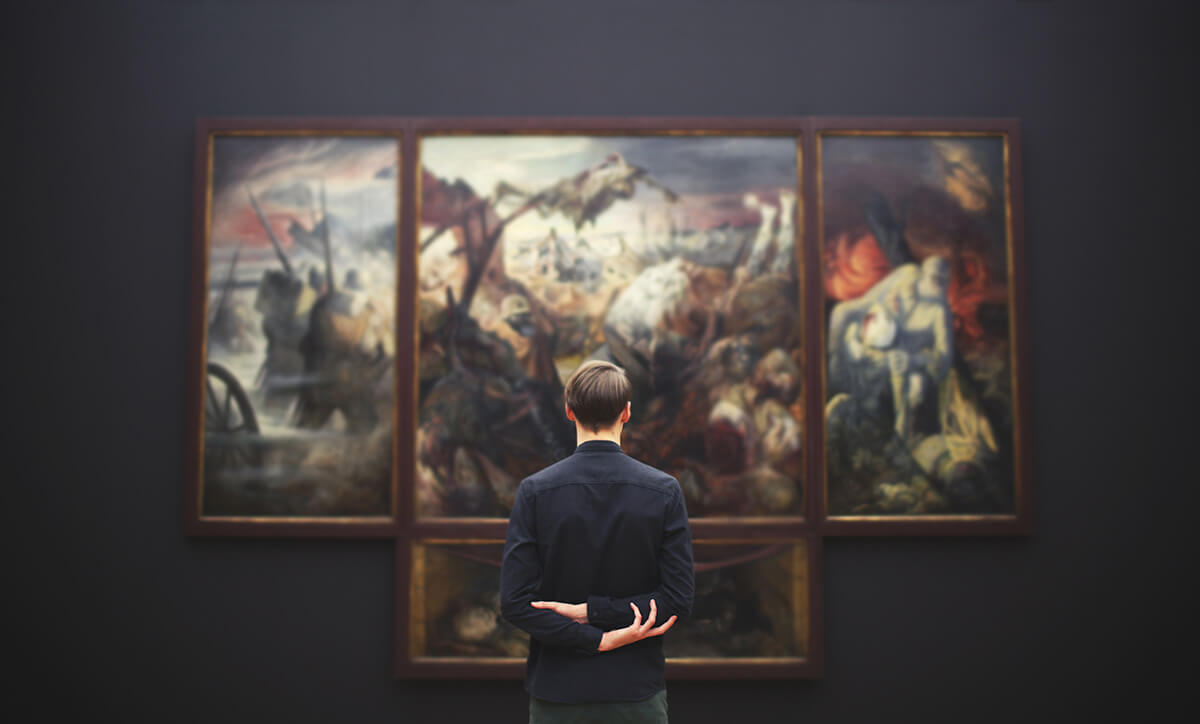
Consider the choreography of an art-fair preview: the greeting, the discreet introduction, the brief consultation of the wall text. Someone says “important”. Someone else names an institution. The work has acquired a formidable reputation in the time it takes to finish a glass.
But what, exactly, have we seen?
The Painted Word by Tom Wolfe is a small book with a large irritation inside it. Published in 1975, it is sharp, theatrical, funny, unfair in places, and still useful. Its central provocation remains uncomfortable: what happens when the words around an artwork become more powerful than the work itself?
The question belongs as much to the acquisition committee as to the first-time collector. Expertise does not make us immune to borrowed judgement. Sometimes it gives us a more accomplished vocabulary for expressing it.
What The Painted Word is about
Wolfe’s argument is deliberately provocative. In his account, modern art became increasingly dependent on the theories that explained and authorised it. Critical language began to determine what could count as a significant visual experience.
The opening turns on his reading of a review by Hilton Kramer. Wolfe takes the critic’s insistence on persuasive theory as evidence of a reversal: belief in an explanation has become a prerequisite for seeing. His conclusion is devastatingly economical—and considerably more sweeping than the observation that prompts it. An authorised excerpt appears in The Art Newspaper.
Elsewhere, he describes a social world in which artistic rebellion and elite approval are entangled. The artist repudiates respectable society while remaining acutely attentive to its invitations. The collector acquires proximity to rebellion alongside the work. The publisher’s excerpt gives a vivid account of this argument.
For Wolfe, taste comes with company.
Why Wolfe still irritates the art world
Wolfe writes like a man entering a room full of serious people and immediately opening the curtains too wide.
His comedy depends on noticing the material evidence of belonging: clothes, furniture, speech, the small adjustments people make in the presence of someone whose approval matters.
In his Paris Review interview, he explains his interest in these details as clues to people’s expectations. He also describes using broken syntax, expressive punctuation and the historical present to bring prose closer to the movement of thought. The extravagance has a method. Tom Wolfe, “The Art of Fiction No. 123”.
In another interview, he recalls discovering how much more he noticed at a fashionable party once he stopped participating and began observing. The social choreography became visible. Academy of Achievement interview.
This is the useful discipline beneath the performance: look closely enough and an abstract claim about prestige becomes a recognisable human gesture.
The nod delivered half a second after the most influential person in the group has nodded.
We do not need to dismiss expertise to recognise the gesture. We may even recognise ourselves.
Where Wolfe is right—and where he becomes too convenient
The Painted Word is not a balanced art history textbook. It is not trying to be.
Its strength is its suspicion of authority that has become too comfortable with itself. Its weakness is the temptation to explain artistic conviction almost entirely through the desire for status.
Artists have formal problems to solve. Curators undertake research. Collectors can sustain difficult work long before it receives broad recognition. An intellectual commitment does not become fraudulent because it also confers prestige.
Yet the possibility of sincere conviction does not remove the possibility of conformity. Both can occupy the same room, sometimes the same person.
Wolfe becomes too convenient when he gives us permission to dismiss whatever we have not yet understood. An unfamiliar work may require historical knowledge, time or a different way of attending. Our first response deserves consideration; it does not deserve immunity from revision.
The same applies to institutional approval.
Neither a famous name nor an immediate feeling should end the enquiry.
Criticism should make judgement possible
The power of critics is one of the original essay’s central concerns. It remains worth examining, but criticism cannot be reduced to publicity with better footnotes.
Good writing can bring an overlooked decision into focus. It can recover the circumstances of a work’s making, identify an argument within a practice or reveal a history that appearance alone cannot disclose.
Such writing changes what we can see.
The difficulty begins when interpretation becomes difficult to question because questioning it is treated as evidence of the viewer’s inadequacy.
A claim about an artwork should offer us something to examine. Where does the work establish tension? How does its material matter? What does the installation make possible? Which part of the interpretation might another attentive viewer reasonably dispute?
An institution demonstrates confidence when it makes its judgement available for scrutiny.
A wall text should give the visitor somewhere to begin, including somewhere from which to disagree.
When words are the work
Wolfe’s argument encounters a serious limit when language becomes the artistic material itself.
Joseph Kosuth’s Titled (Art as Idea as Idea) The Word “Definition” (1966–68) uses a dictionary definition as the work. MoMA describes the displayed photographic enlargement as a realisation of that proposition. Language is therefore central to what the viewer encounters. MoMA’s collection entry.
Removing the words would remove the work.
That example prevents an easy opposition between visual experience and intellectual content. Art can operate through an instruction, an argument, a duration or an arrangement of language. A demand for immediate visual pleasure would exclude possibilities before considering them.
The more useful distinction is between a proposition that creates an encounter and an explanation that merely insists an encounter has occurred.
My question is what the work makes available: to perception, thought, memory or action. Does its form sharpen the proposition? Does the experience complicate the explanation? Is there something to discover beyond the claim made on its behalf?
The artwork should not feel like a receipt for an idea.
A collector’s freedom to remain undecided
For collectors, The Painted Word encourages a healthy distrust of intimidation.
Read, learn, visit museums, speak to gallerists, listen to artists, understand provenance and take criticism seriously. Knowledge can deepen pleasure and correct an initially careless judgement.
But protect the interval in which your own response is still forming.
At a fair, that interval can feel socially expensive. There is another appointment, another introduction, another suggestion that hesitation may mean missing the work. An itinerary can carry a collector from Basel to Paris to Miami more easily than it can produce an independent judgement.
Access gets you into the preview. It cannot do the looking for you.
Before acquiring a work, I would ask:
- What specifically holds my attention?
- What changes when I encounter it again?
- What does the accompanying text help me notice?
- Where does the work resist the account being offered?
- Would I want to continue this encounter without the reassurance of a recognisable name?
These questions accommodate uncertainty. A work may be significant before we understand why. It may also be expertly presented and leave us unconvinced.
A serious collection needs both: the eye and the mind. It also needs the freedom to say, “I am still thinking.”
What this asks of artists
Artists can learn from Wolfe even when they dislike him.
Artist statements matter. Titles matter. Series notes and essays matter. A thoughtful collector often wants to understand the world behind the work.
But the writing should serve the work, not rescue it.
That principle is demanding because writing can reveal a weakness we would rather leave unnamed. If a statement promises instability, intimacy or transformation, we should be able to consider how the work produces that experience—or why it deliberately frustrates it.
One useful test is substitution. Could the same paragraph accompany twenty unrelated practices with only the artist’s name changed?
If so, the language may be describing membership of a cultural category more effectively than the work in front of us.
Specificity is harder. It requires us to name a material decision, a recurring question, a failed attempt or a change in method. It gives readers something they can return to the work and examine.
It also leaves room for the work to exceed what we currently know how to say.
The explanation now travels first
Wolfe wrote before the contemporary circulation of artworks through websites, social feeds, newsletters and online viewing rooms.
Today, a work may reach a collector first as a photograph beside a paragraph. The physical encounter comes later, if it comes at all.
This makes language valuable. It can communicate scale, material and context that a screen suppresses. It can help someone recognise a connection between works separated by geography or time.
It also makes overstatement easy. A caption can promise an experience that the image cannot substantiate and the viewer has not yet had.
As an artist and the founder of Art Wisdom Education, I take that responsibility seriously. Clear communication helps people enter a practice. Marketing decisions also shape expectations before an encounter begins.
The test I return to is simple: after reading, can someone ask a more precise question about the work?
If the only result is a stronger sense that they ought to admire it, the writing has done a different job.
My position
I believe in visual presence.
I believe in beauty when beauty is serious.
I believe in skill when skill is not vanity.
I believe in language when language helps us see more clearly.
I believe in theory when theory does not become a substitute for looking.
These are commitments within my practice, rather than entrance requirements for every kind of art.
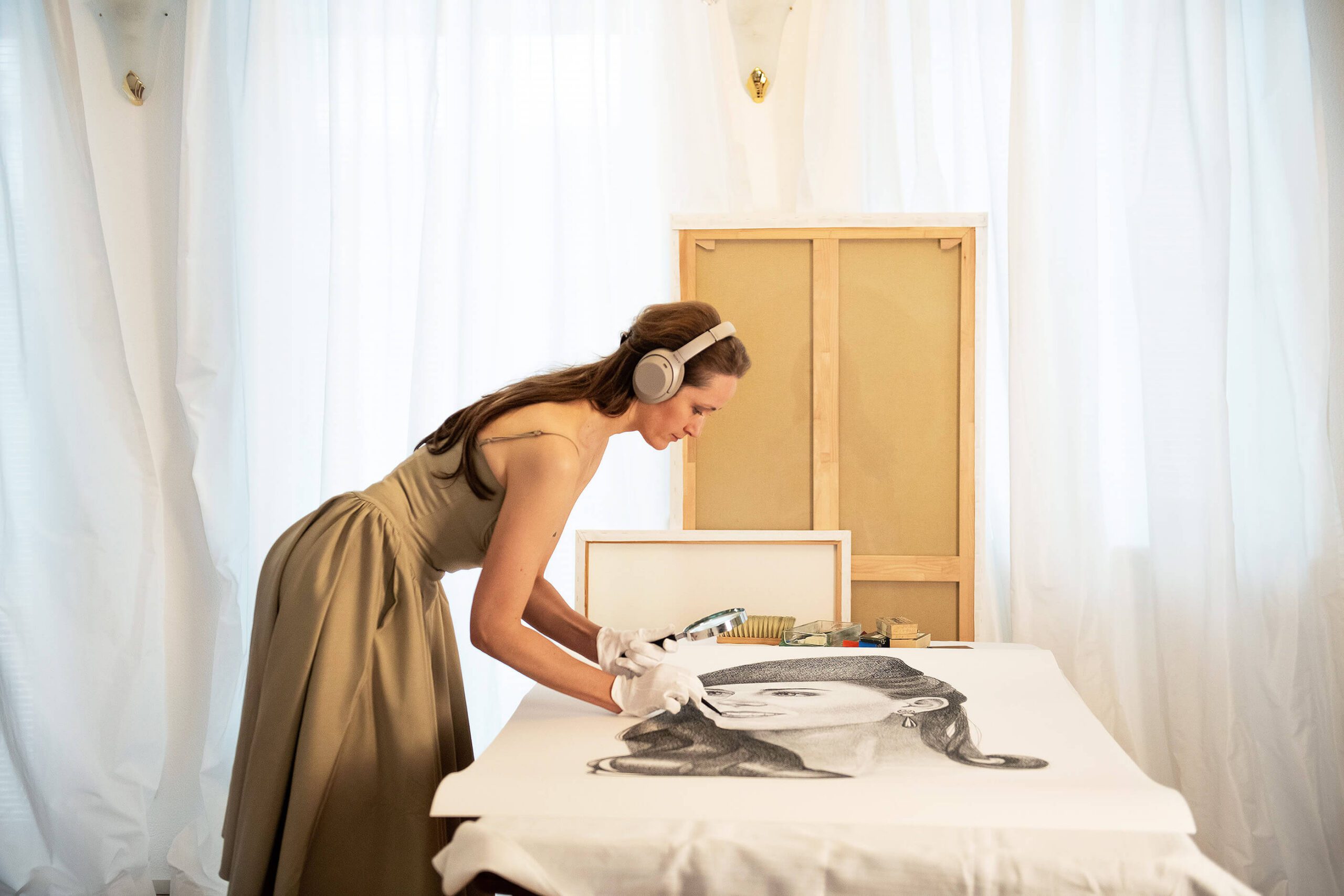
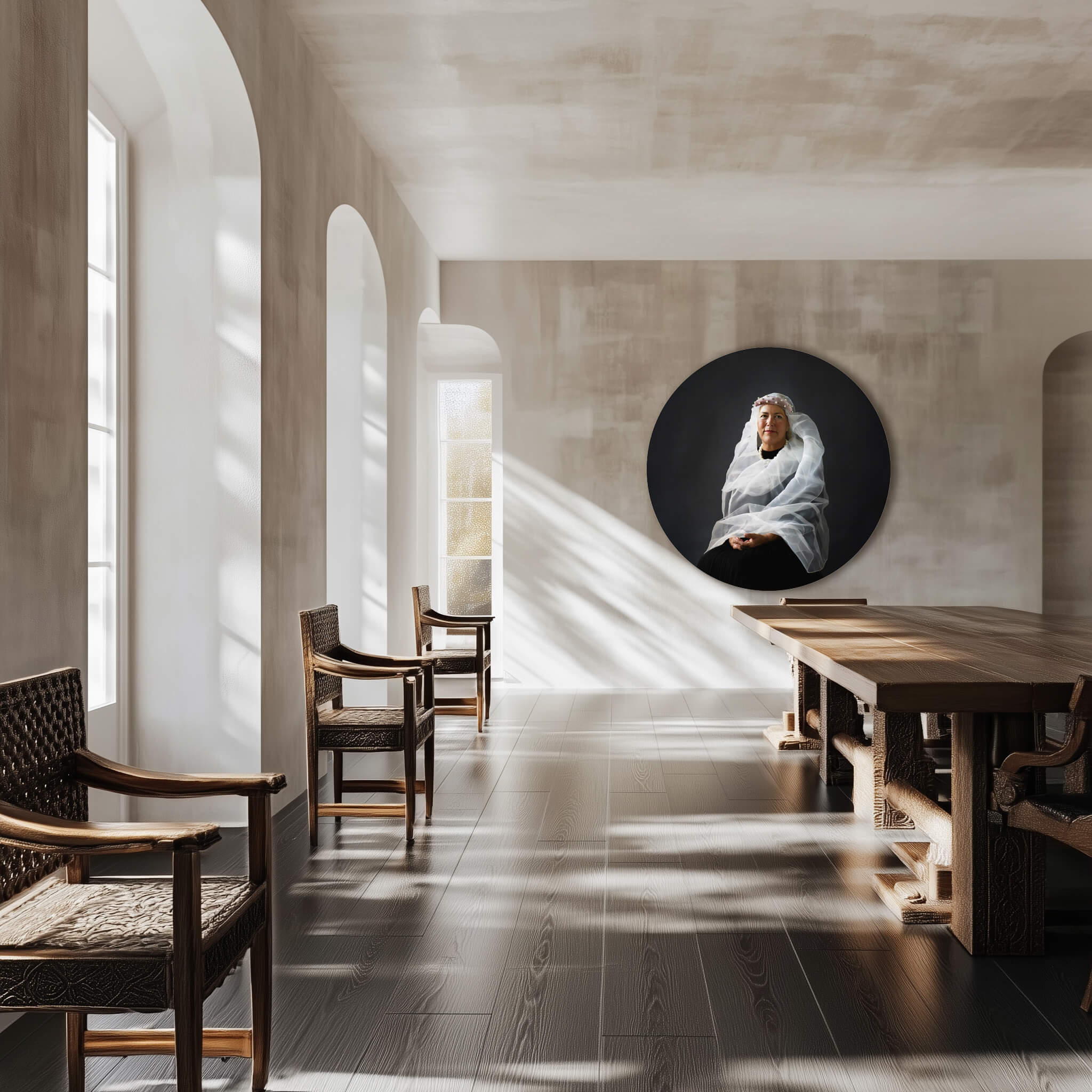
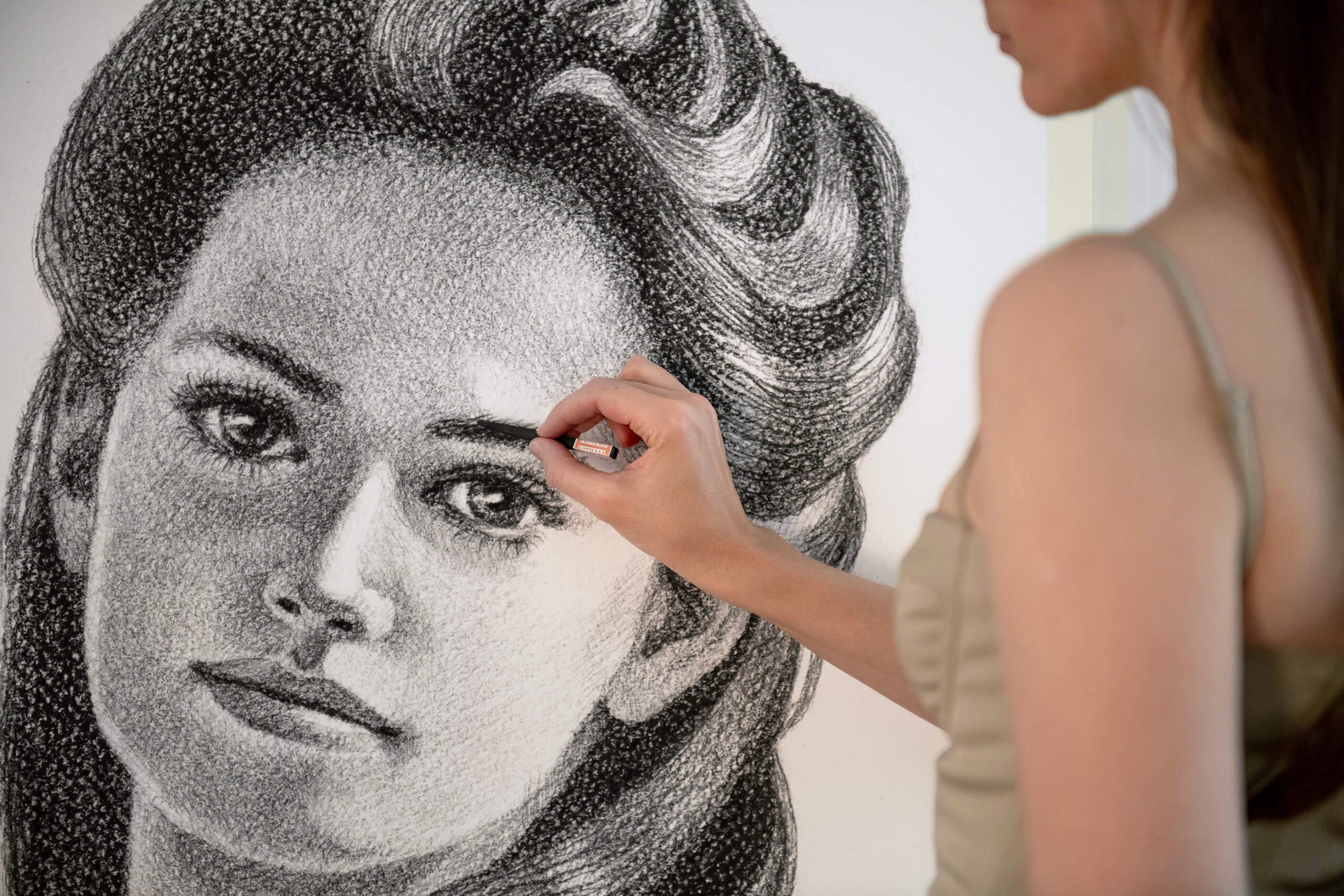
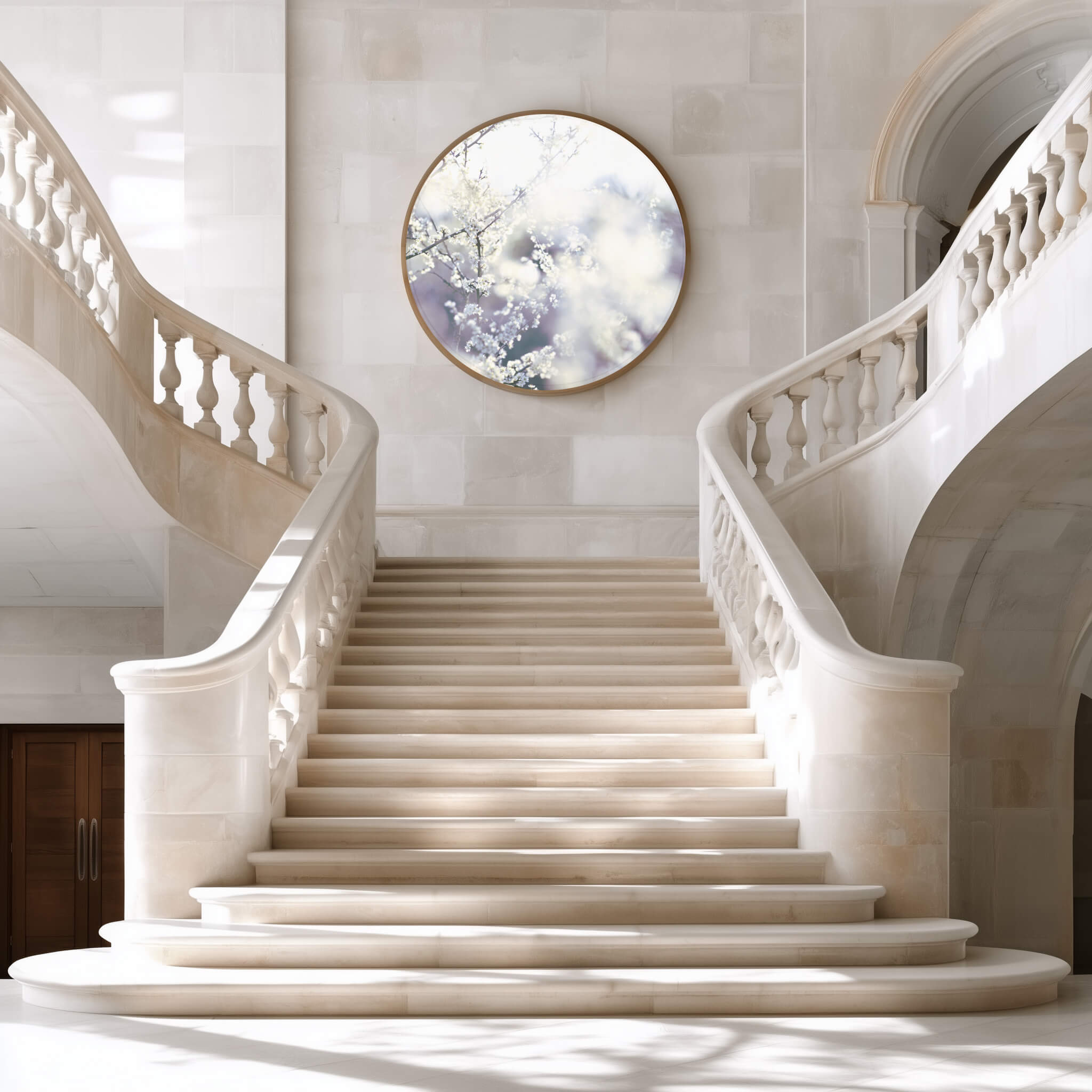
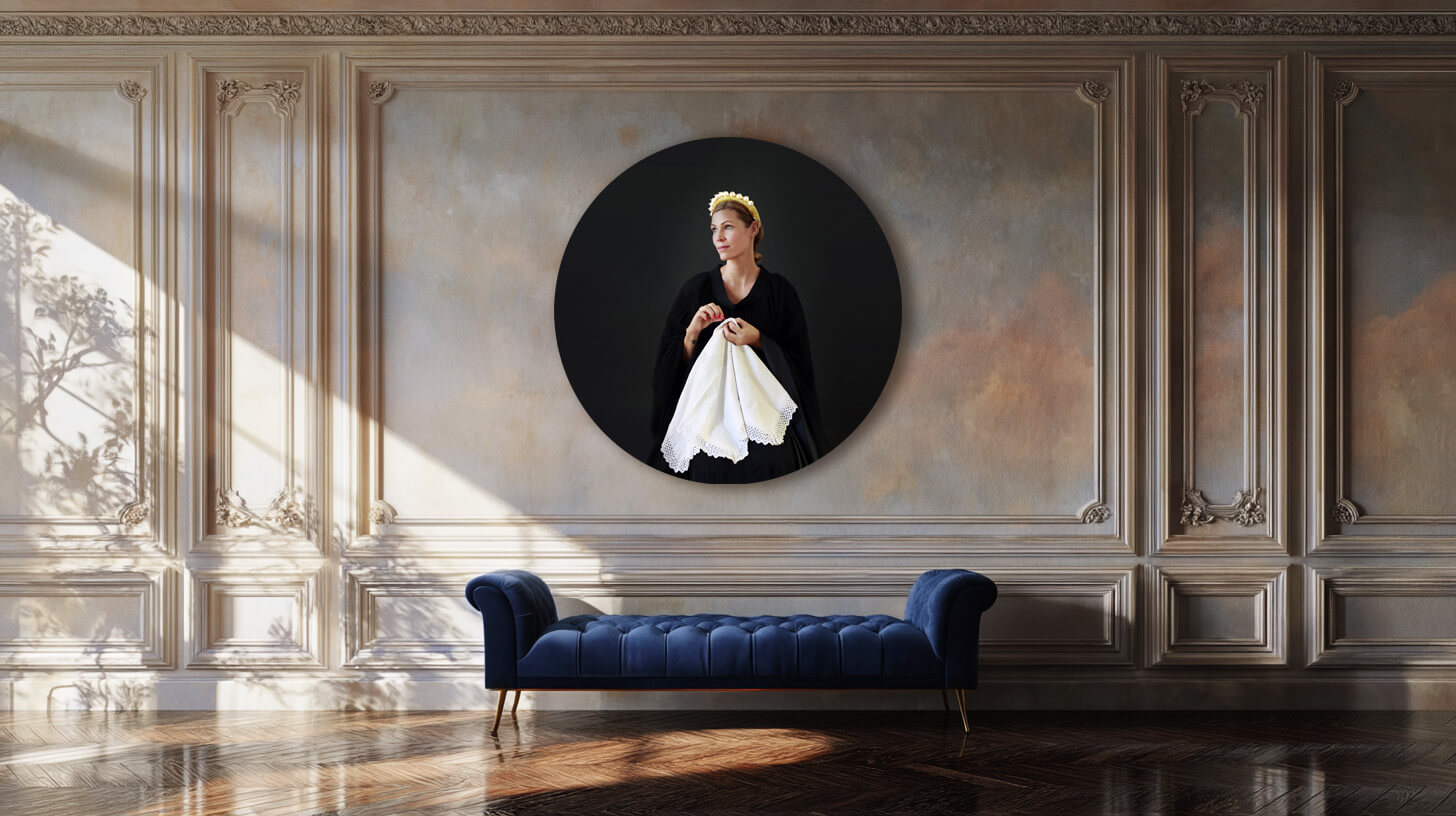
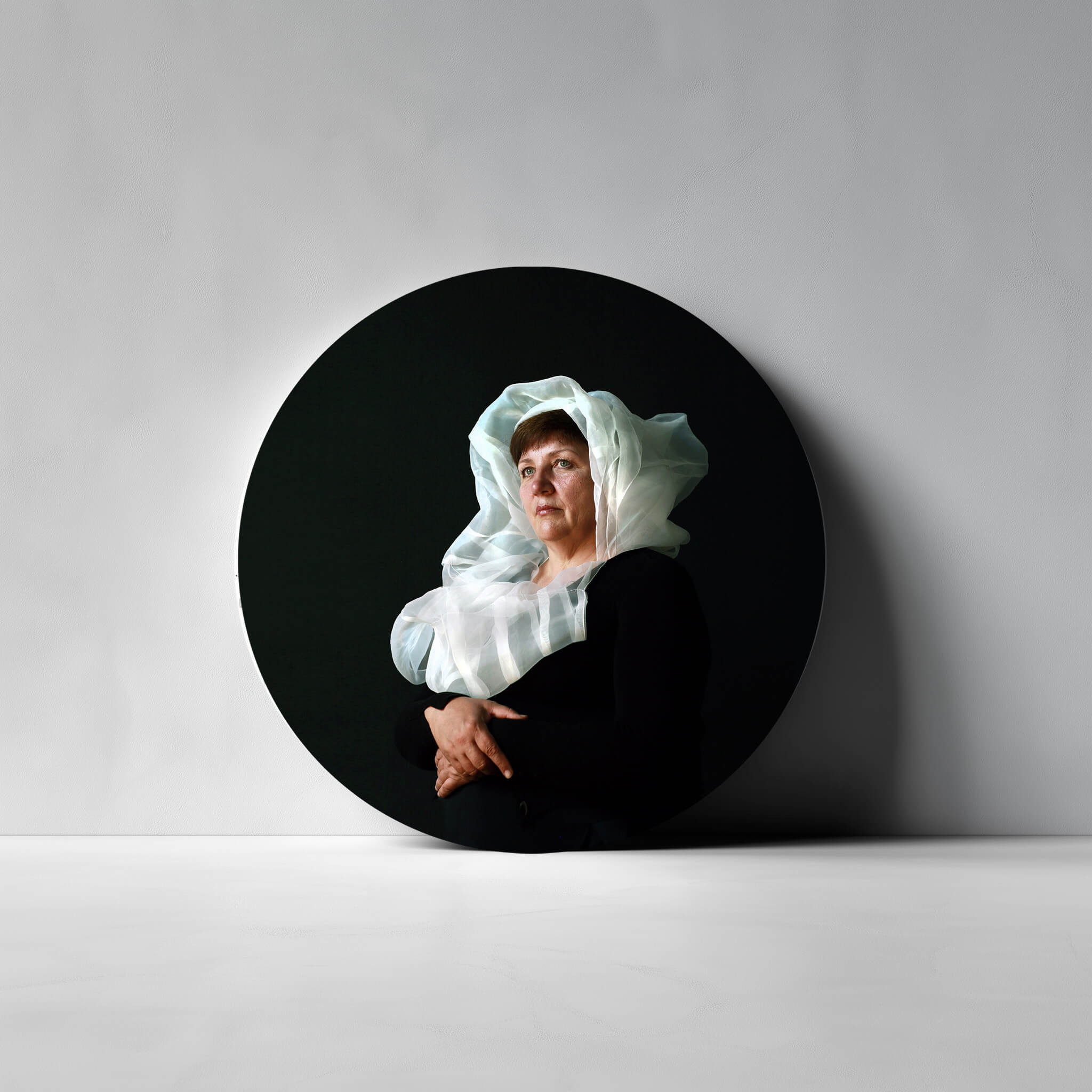
In my studio, questions of identity, image and reputation develop alongside an interest in atmosphere, nature and the experience of space. Archetype Archives and Forest Frequencies approach these concerns differently. Their meanings emerge through the works and through encounters I cannot entirely direct.
I write because some of that enquiry can be shared in language. I make art because language does not exhaust it.
This is why The Painted Word remains worth reading. Wolfe gives us neither the final truth about modern art nor a reliable exemption from studying it. He gives us a provocation we can turn on the institutions we trust, the opinions we inherit and the confidence of our own responses.
The question is not whether art needs language. The question is whether the language returns us to the artwork.
Read the essay. Hear the argument. Then give the work the opportunity to disagree.
Look again.
Continue looking
Explore Archetype Archives and Forest Frequencies, or view available works.
For acquisition enquiries or a conversation about a particular work, contact the studio.
The painting has barely entered the room. Its reputation has already been seated at dinner. Atlanta Weiss revisits Tom Wolfe’s The Painted Word to examine criticism, cultural status and the collector’s freedom to remain undecided.