

Your insurer and your future biographer would ask different questions about the same collection. One needs to know what each work would cost to replace. The other wants to know why you chose to live with it.
Between those questions lies the difference between an inventory and a collection.
Every artist can be named, every dimension recorded, every acquisition priced—and the reason these works belong together can still remain unclear.
Building a valuable art collection means examining that relationship. What connects the works? What does each acquisition add? Which choices express your judgement, and which merely repeat someone else’s approval?
Financial value belongs in this discussion. So do cultural significance, material quality and personal meaning. They answer different questions. A collection acquires its character through the choices you can account for—and the works that continue to challenge your explanations.
A collection becomes distinctive when its choices begin to express a point of view.
Look beyond the occasion
Sotheby’s specialist Elizabeth Pisano identifies three considerations for new collectors: instinct, budget and space. Together, they connect the attraction of a work with the practical conditions of owning it.
An art fair, a private view and an auction each create conditions for looking. They also create pressure.
Return to the work after the occasion has passed. What remains when the room, the price and the surrounding approval are no longer directing your attention?
Look across museums, galleries, studios and online presentations. Compare. Revisit. Notice which works sustain your interest and which depended on the circumstances of your first encounter.
Then consider the practical conditions of ownership: budget, space, transport, framing, installation, insurance and care.
An acquisition needs somewhere to live—in your circumstances as well as your imagination.
Research until your questions improve
An artist described as “rising” may deserve your attention. The description itself tells you very little about the work.
Examine the wider practice. Does the piece belong to a sustained series, a recurring investigation or a significant change of direction? What choices distinguish it from other works by the artist?
Read interviews. Visit exhibitions. Speak with artists, galleries and people whose knowledge exceeds your own. Establish who is selling the work and whether it is entering the market for the first time or being resold.
The purpose of research is to make your judgement more precise.
At first, you may know only that an image attracts you. With attention, you begin to recognise what its composition, materials or treatment of a subject makes possible.
You also become better at identifying the limits of your knowledge. That is useful collecting intelligence.
Understand the practice behind the object
A work gains context through its relationship to an artist’s continuing enquiry.
Look for recurring questions, material decisions and developments over time. Consistency need not mean repetition. An artist may change medium or direction while pursuing a recognisable concern.
Ask what this particular work contributes.
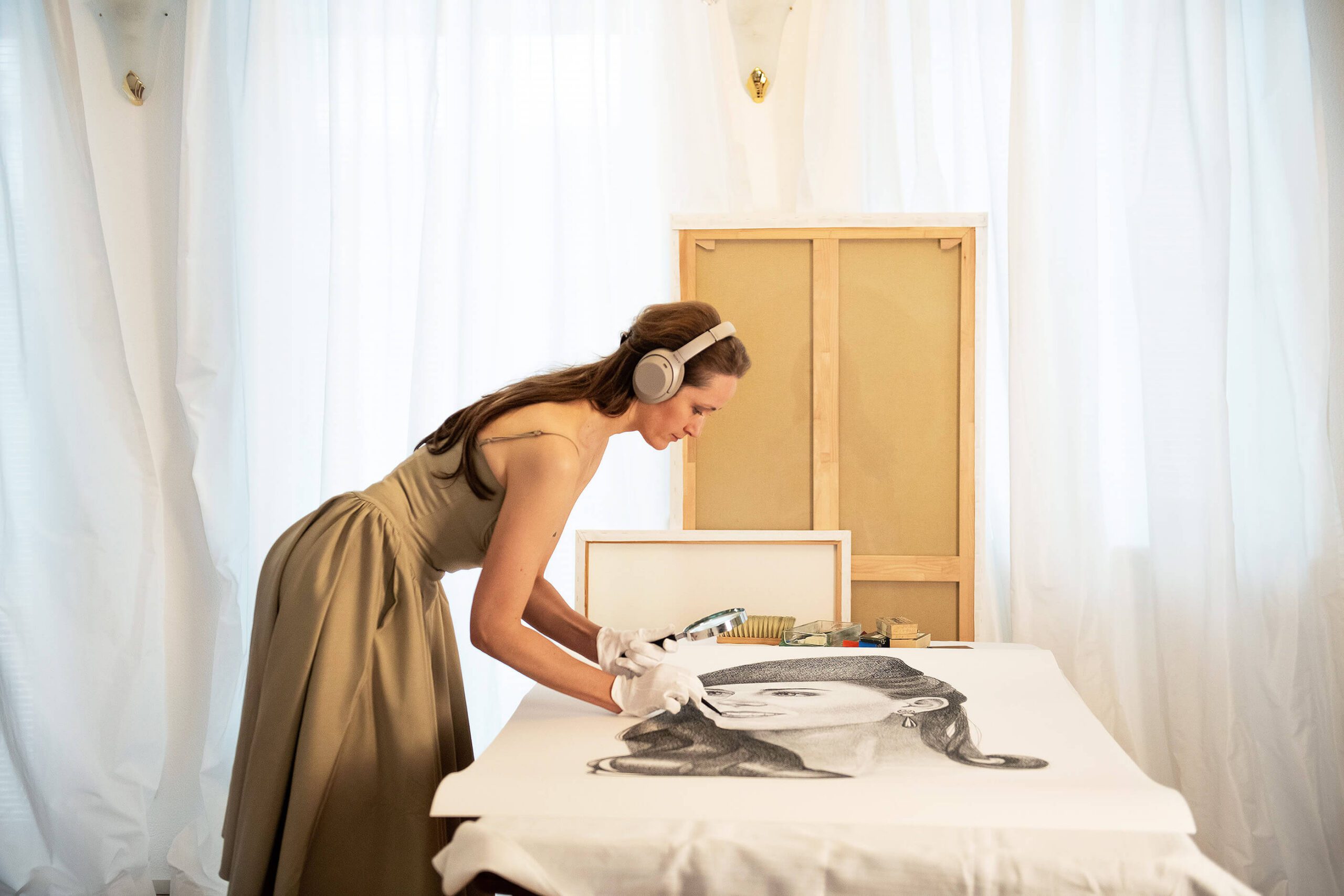
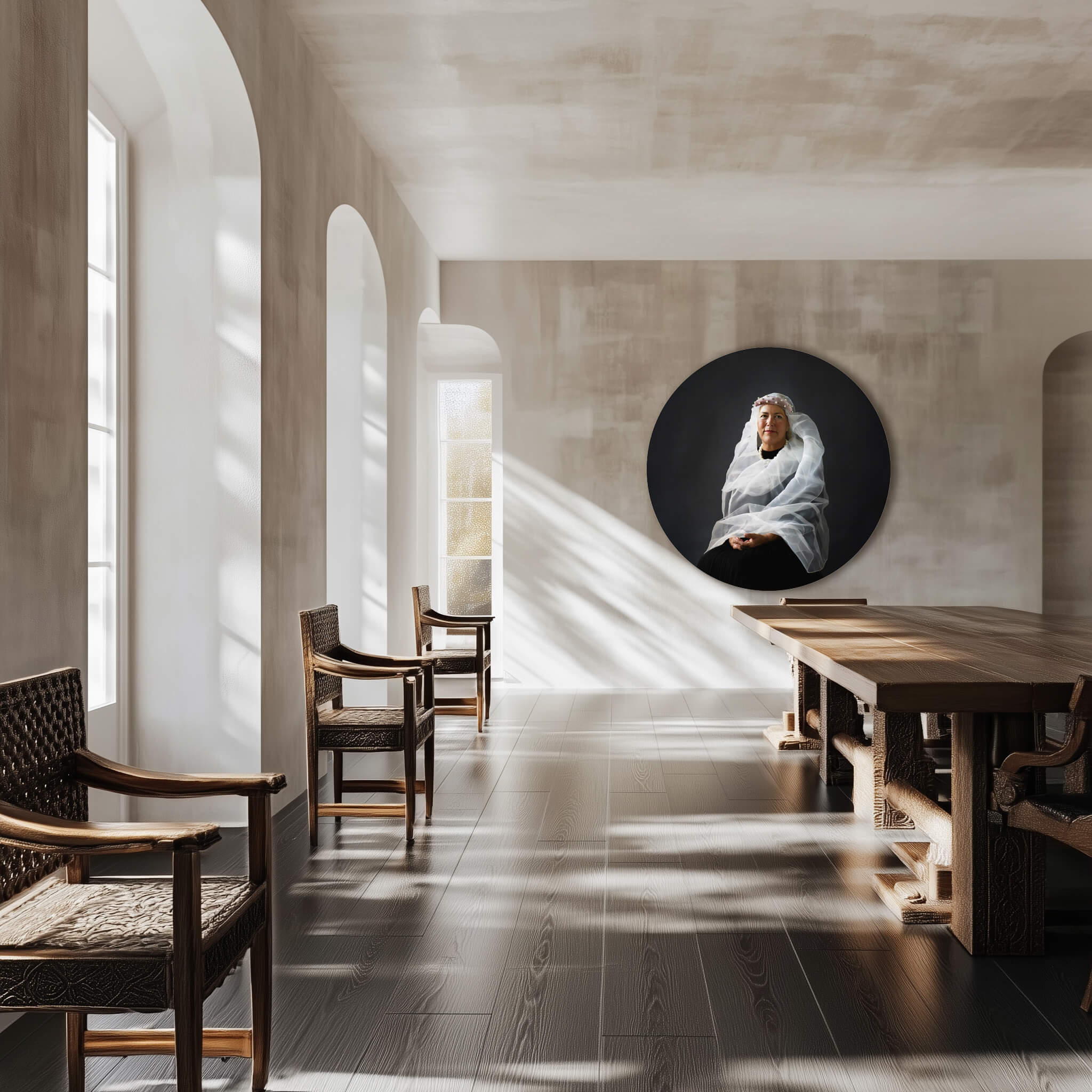
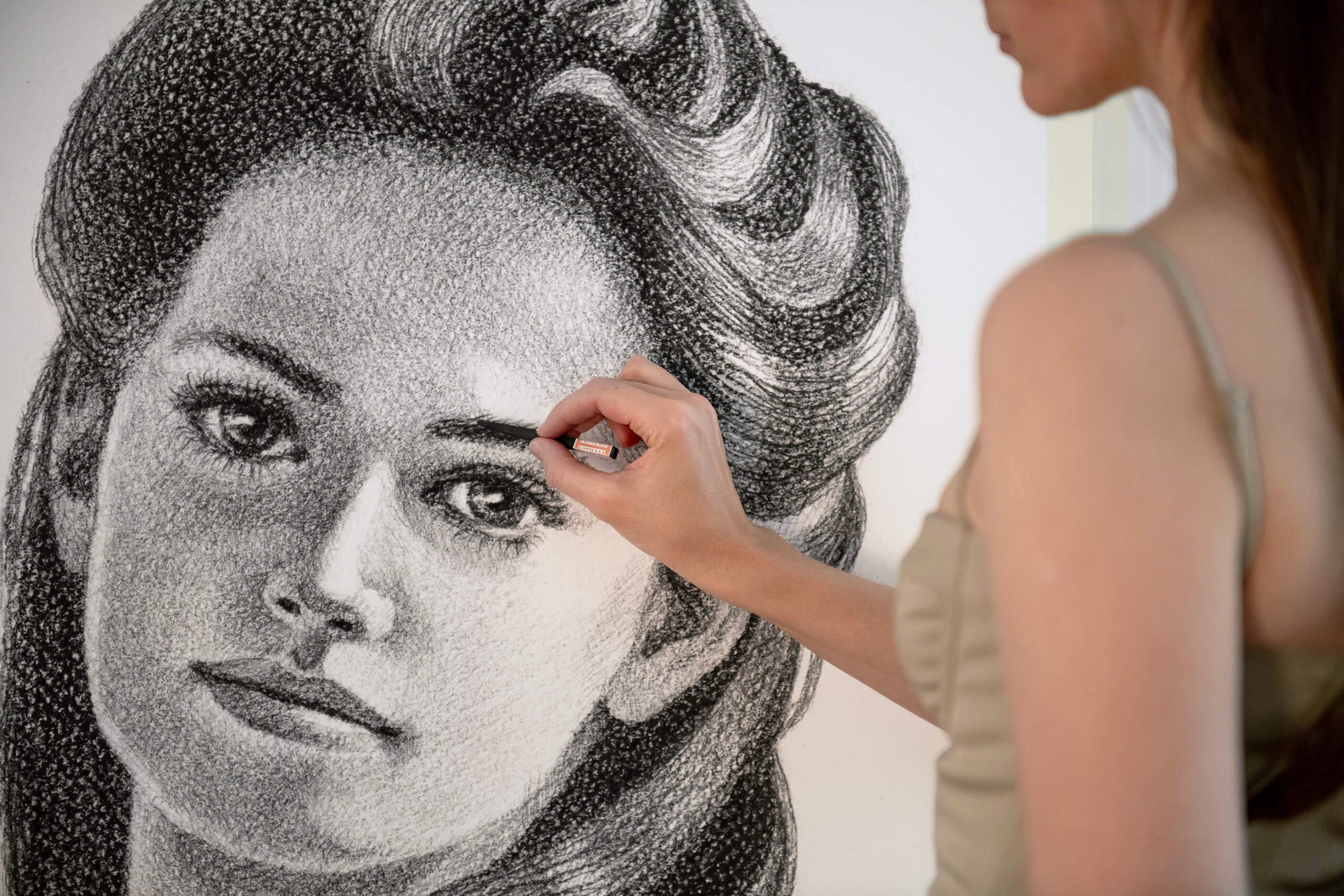
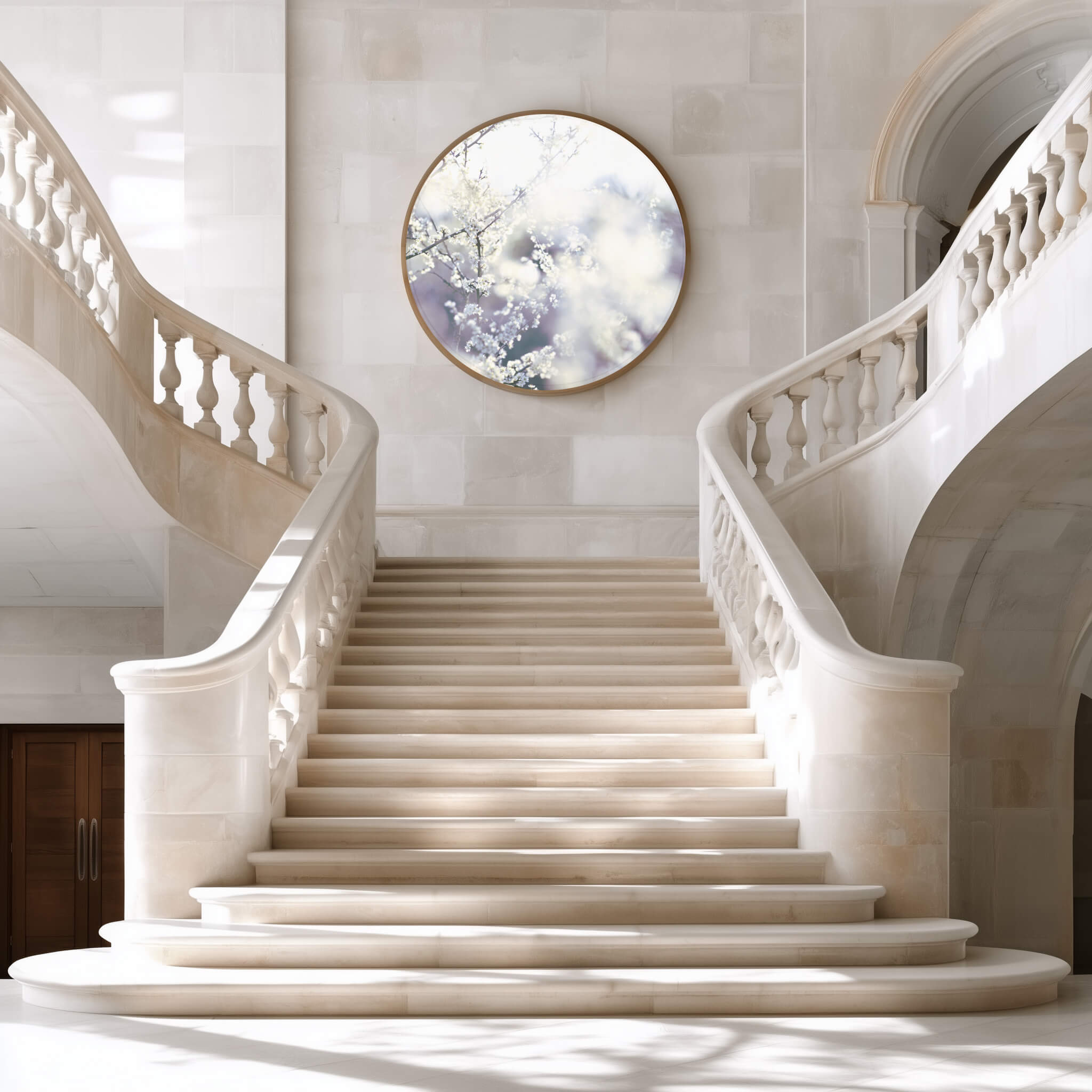
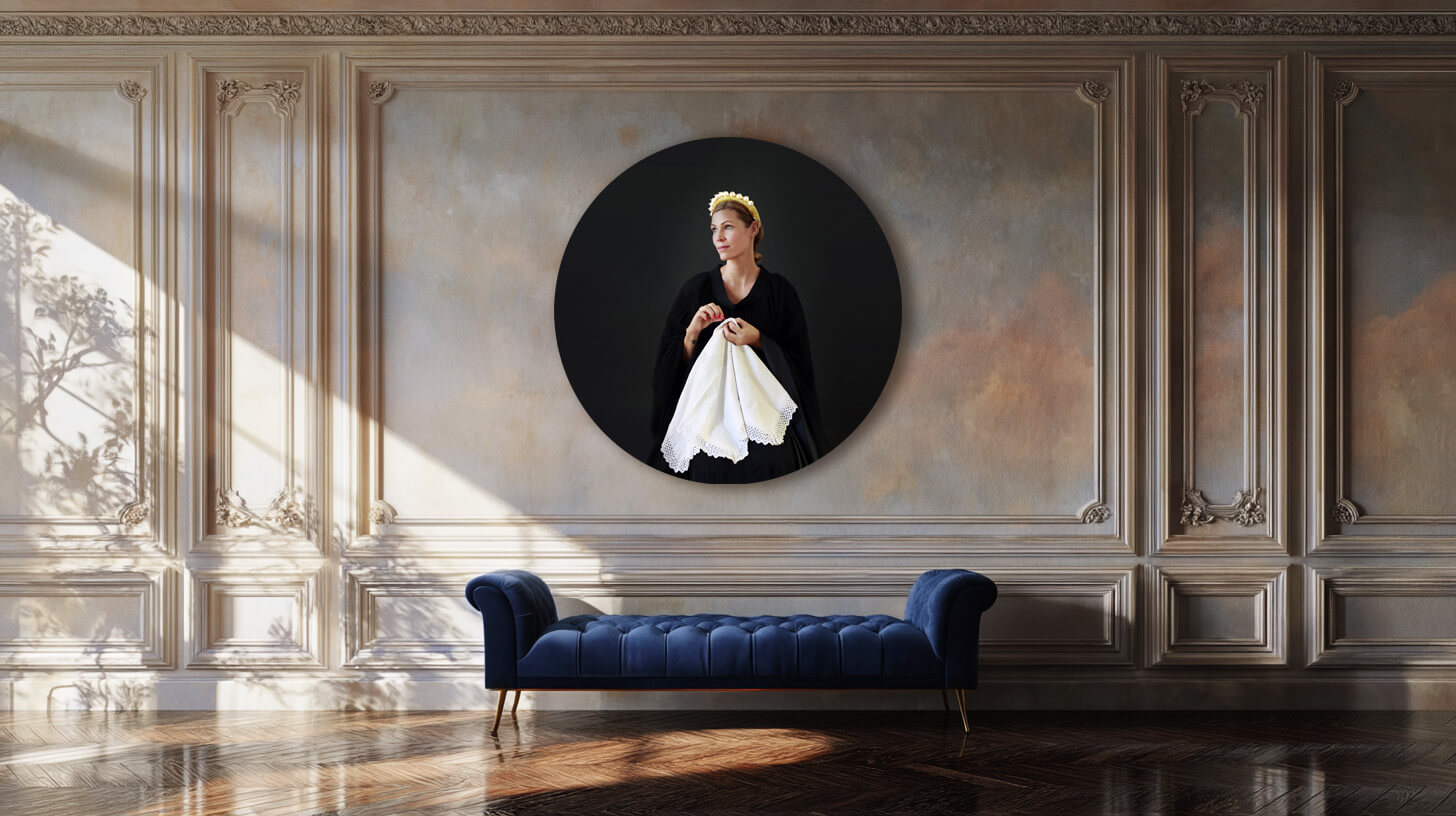
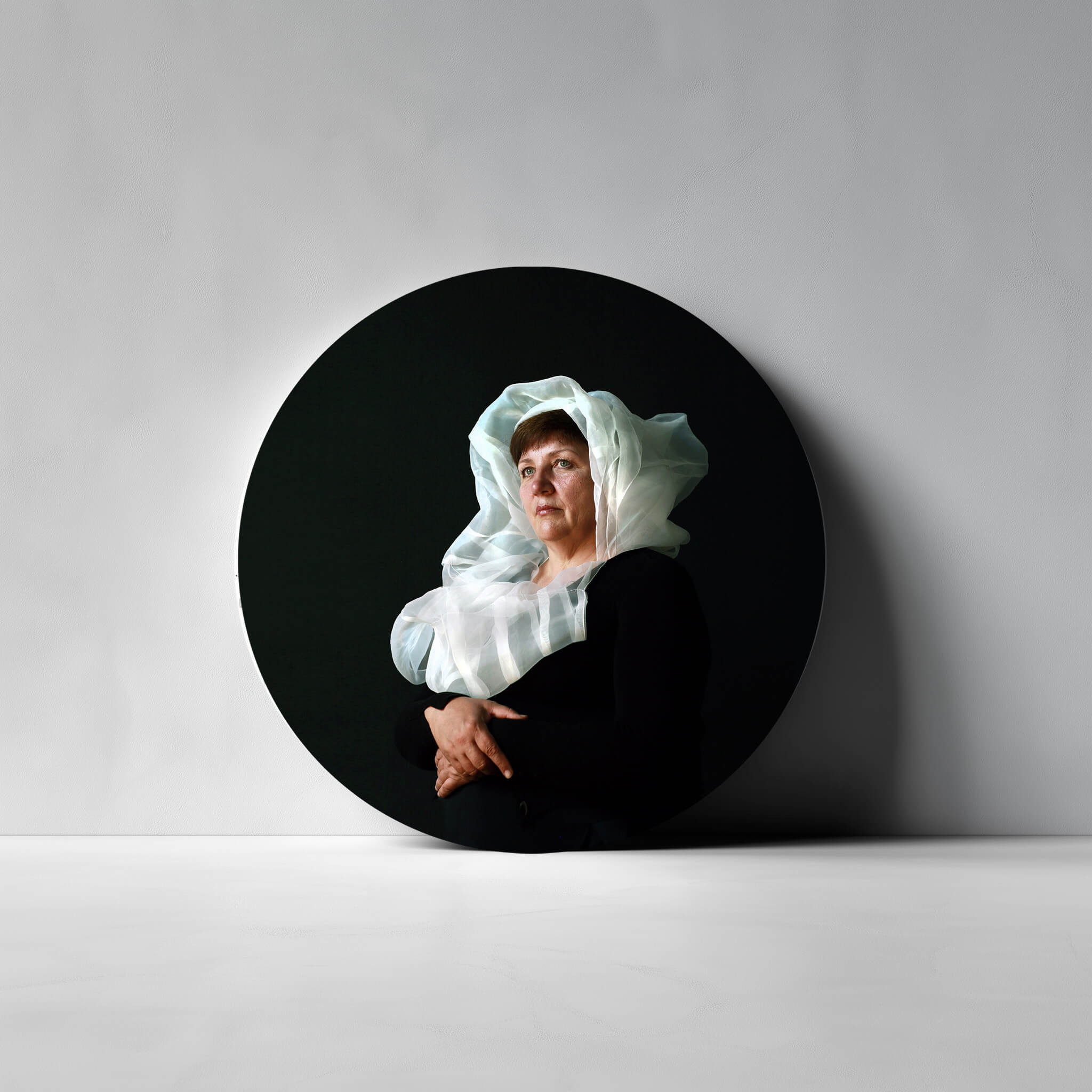
In my studio, Archetype Archives and Forest Frequencies approach different subjects through distinct visual languages. Understanding the series helps a collector locate an individual work within a larger investigation.
That relationship gives the acquisition context beyond its immediate appearance.
Atlanta Weiss‘A collection becomes distinctive when its choices begin to express a point of view.’
Ask what rarity explains
Scarcity tells you how few examples exist. You still need to understand why the work matters.
Consider rarity alongside artistic quality, context, condition, documentation and the place of the work within the artist’s development.
A unique work, a study, a photograph and an edition each require their own assessment. The relevant question is what the specific object contributes, rather than whether its category sounds prestigious.
For the practical distinctions, see Limited-Edition Artworks: Scarcity Is Not Enough.
Build the records as you build the collection
Keep invoices, edition information, certificates where supplied, relevant correspondence, framing records and condition reports. Retain available provenance: the documented history of ownership and whereabouts.
These records preserve knowledge that can otherwise disappear when a work changes hands or the people involved are no longer available.
Before bidding at auction, establish the complete acquisition cost, including applicable fees, taxes and transport. A bidding limit is useful only when you understand what sits beyond the hammer price.
Care requires similar attention. Works on paper, photographs, paintings, textiles and sculptural objects have different vulnerabilities. Obtain appropriate advice on framing, light, environmental conditions, handling and installation.
The acquisition is one event. Stewardship continues for years.
Give price its proper place
A price deserves scrutiny. It does not resolve the artistic judgement.
Ask what supports it: the particular work, the artist’s market, its condition, provenance, availability and the terms of sale. A high figure is not an explanation; a low one is not a verdict.
Keep three questions distinct:
- What am I being asked to pay?
- What significance does this work have within the artist’s practice and its cultural context?
- Why does it belong in this collection?
The answers may support one another. They may also diverge.
You can love a work and examine its price carefully. You can recognise an artist’s importance and decide that a particular acquisition is wrong for you.
Look beyond familiar centres
A collection need not reproduce the geography of the most familiar art-market capitals.
Look beyond London, New York, Paris and Basel. Give comparable attention to artists and histories encountered through Hong Kong, Seoul, Dubai and elsewhere.
Geographical breadth becomes meaningful through research. Learn the contexts in which work is made and discussed, rather than treating a region as a new category to acquire.
The aim is to widen your understanding. A collection can disclose histories and relationships that a more habitual itinerary would leave unseen.
Resist borrowed urgency
A waiting list can make a work desirable before you have decided whether it interests you.
Social visibility, crowded stands and auction results all influence attention. They deserve interpretation rather than automatic obedience.
Ask whether your interest survives the possibility of missing out.
You will miss some opportunities. That is preferable to allowing every opportunity to determine the direction of your collection.
Patience is an active decision about what deserves further attention.
Find the relationship between works
A collection may gather around a medium, a region, a generation, women artists, portraiture, material practices or a recurring question.
The connection may become apparent only after several acquisitions. Once you recognise it, examine it. What does the next work add? Does it deepen an enquiry, introduce a useful tension or merely repeat a choice you already understand?
Coherence allows difference. Works can belong together because they disagree productively.
This is where the collector’s authorship becomes visible: in the selection and relationships through which individual works form a collection.
Acquire at the pace of your judgement
My preference is for fewer works, chosen with greater attention.
“Better” need not mean more expensive. It can mean better understood, better documented or more consequential within the collection you are developing.
Before acquiring, ask:
- Would I still want this work without external praise?
- Can I explain its interest beyond its price or reputation?
- What does it contribute to the collection?
- Do I understand its relationship to the artist’s practice?
- Are the price, documentation and condition clear?
- Can I provide the care and setting it requires?
- Do I want to continue looking at it for years?
These questions give conviction something to stand on.
The collection beyond the inventory
I make work with an interest in how images acquire meaning through sustained encounters. A collector brings another history, another setting and another way of seeing to that process.
That is why I value considered acquisition. The relationship continues long after the transaction.
The inventory at the beginning of this essay remains necessary. Keep it accurate.
Then consider the catalogue you could write beside it: why each work entered, what it changed and how the relationships between works developed.
That is where your collection begins to speak in its own voice.
Explore the work
Discover available works from Archetype Archives and Forest Frequencies, or contact my studio to discuss a particular piece in relation to your collection.
For the first steps, read How to Start Collecting Art: Attention, Judgement and Meaning.
Every work has a price. But what does connect them? Atlanta Weiss on the judgement, research and care that turn individual acquisitions into a collection.